When Love Hurts Your Health: Healing from Toxic Relationships, Reclaiming Your Power and Health

Toxic relationships don’t just break hearts and stretch our souls - they break down the body. They deplete nutrients, activate autoimmunity and ignite chronic infections like Epstein Barr and Shingles.
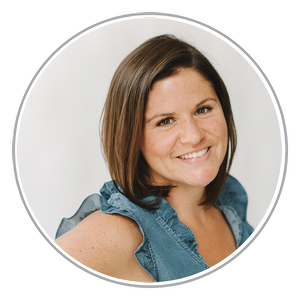
In this episode, Elizabeth talks with Kristina, coach, speaker, and author of Rise Up and Thrive: How to Break Cycles of Toxic and Traumatic Relationships to Create Healthy Love. Together they explore how emotional trauma and relational stress manifest physically - from anxiety and insomnia to autoimmune symptoms and hormonal imbalance - and how true healing starts when we rewire the brain for safety and self-worth, and get the body to a safe environment.
Kristina shares her personal journey through toxic relationships, the emotional and biological cost of staying in survival mode, and how her R.I.S.E. framework (Recognize, Information Gathering, Self-Discovery, Embodiment) helps women transform pain into power.
If you’ve ever wondered why your body feels stuck in fight-or-flight — even after the relationship ends - or you know your health has never been the same since that toxic relationship - this conversation offers hope, perspective, and the first steps toward emotional and physical freedom.
Mentioned in this episode:
What defines a toxic relationship (and how it differs from abuse)
How trauma rewires the brain and body
Why even strong, successful women can find themselves in toxic dynamics
The R.I.S.E. Method for reclaiming your health and healing
Tools to re-regulate your nervous system and restore emotional safety
Connect with Kristina:
Rise Up and Thrive (available wherever books are sold)
Rise Up Thriving Course Library
https://riseupthriving.samcart.com/courses/directory
Surviving the Season Guide (please use promo code FIRST100 for a free download)
https://riseupthriving.mysamcart.com/checkout/surviving-the-season
Learn more at Rise with Kristina
Follow on Instagram: https://www.instagram.com/risewithkristina
Listen to her Podcast, Rise Up Thriving https://www.instagram.com/riseupthriving/
www.tiktok.com/thekristinahudson
Email: hello@riseupthriving
Work with Kristina: https://riseupthriving.mysamcart.com/work-with-me/
Please note that transcripts may contain minor errors or inaccuracies. We hope you enjoy reading them and find them helpful.
Elizabeth Mae (0:1.144)
Today we're diving into the emotional and physiological costs of toxic relationships, how they shape our bodies, brains, belief systems, and you already know your immune system, ⁓ and how really real healing begins when we start to rise. We're going to talk with Christina. She's coach speaker, author of Rise Up and Thrive, ⁓ a book about how to break cycles of toxic and traumatic relationships to create healthy love. ⁓ I'm super excited for you guys to hear her story and to just be able to introduce this
this topic that we see all the time in care, ⁓ but maybe aren't able to easily articulate the physical effects of toxic relationships. ⁓ So welcome, Christina. I'm super excited to be able to share this with people and for them to get to hear your story and the work you do.
Kristina (0:47.557)
Thank you so much. Yes, it's an honor to be here and I appreciate it.
Elizabeth Mae (0:52.438)
Yeah, so we're just gonna kind of jump right in. I want to know what inspired you to write the book because that was actually where I heard about you. Some practitioner friends ⁓ had met you and they're like, she has a book, you should read it. And I did and then of course we connected after that. But what ⁓ inspired you to put your story into book form and get it out there?
Kristina (1:11.601)
Yeah, you know, I think I like most women, right? We struggle, I think, with this idea of one, does anybody care about my story? And two, you know, being in an abusive situation, there are a lot of costs with that come with sharing our story. And so for me,
Elizabeth Mae (1:24.558)
you
Kristina (1:41.809)
⁓ I ⁓ really wanted to put my story out there, not ⁓ as a woe as me, this is what happened, but really ⁓ because I believe that so often we get caught up in our trauma stories, whatever they might be and whatever they might look like, ⁓ and we have a hard time envisioning a better future for ourselves. And so one was to share my experience to say,
Even though I experienced all of this trauma in my life, ⁓ I am so grateful and I have an amazing life now. ⁓ And this is how I did it and this is how you can do it.
Elizabeth Mae (2:24.686)
Mm-hmm. ⁓ Yeah, I think the, ⁓ with any component of healing, whether it's physical or emotional, the concept that hope exists because someone has done it before you in at least some capacity ⁓ is the most powerful thing, I think, because when we lose sight of hope, we lose the ability to feel like we could ever be safe again, and then the body and the brain, like, we just can't get there. ⁓ And so being able to see, you know, whatever facet it is of ourselves and someone else's story.
I think just creates a lot of hope and ⁓ I think abuse and toxic relationships are so oppressive too. Like you're either in it and you're like literally oppressed ⁓ or you ⁓ are constantly dealing with it, whether it's like a parent who you don't live with or you know, it just like, it's this ⁓ really persistent thing that just like chips away and it chips away at like hope and any kind of, yeah, like concept of next thing. So ⁓ could you share a glimpse of your story and kind of
Kristina (3:16.251)
Thank you.
Elizabeth Mae (3:23.766)
maybe a little bit more of ⁓ what you've been through that brought you to this place of coaching women now.
Kristina (3:32.601)
Yeah, absolutely. ⁓ So ⁓ my story is a very complex one. I'm... ⁓ what I mostly write about in the book is my marriage that was a relationship of about 14 years ⁓ with a narcissist. And like many women, I didn't ⁓ know that he was narcissistic. I didn't...
know the term narcissist until I was going through marriage counseling right before filing for divorce. So 14 years of living with this person and ⁓ you know like most relationships there were a lot of highs and then there were a lot of lows ⁓ and I didn't realize that my lows were very different from what a healthy relationship ⁓ low would be or could look like.
in my mind. So I also experienced a lot of childhood abuse ⁓ and ⁓ saw dynamics in my family growing up that made me believe that this was a ⁓ normal type of relationship. so I think, you know, and I write about this in the book too, you know, they're multi, it's multifactorial, you know, they're
was of course the experience that I had growing up that led me to believe.
that an unhealthy or toxic relationship was normal and didn't even have those labels for it. And ⁓ also led me to have these attachment wounds from not having the kind of nurturing and acceptance and love that ⁓ I should have had and that I deserved as a little girl. And that ⁓ left me chasing love.
Kristina (5:28.171)
even though it was detrimental and unhealthy and toxic and abusive at times.
Elizabeth Mae (5:35.426)
Hmm, hmm, yeah. And I think that, gosh, so many things and themes, of course, so many people who have similar backgrounds to not experiencing good and healthy love in a formative place, and then the next phase of love, primary relationships or manic relationships, becoming just a mirror of that original, what your status quo was. ⁓ It kind of reminds me of ⁓ the nervous system knows what it knows, what it knows, and it doesn't know what it doesn't know, but it loves to get back to where it's been before.
And so, ⁓ I don't know, it's just so common that the body wants to go back to what is familiar to it, emotions included. So I did love something you said ⁓ in the book that healing isn't about getting over something, it's about moving through it. And I feel like the book does such a good job of talking through and sharing really vulnerably how you move through it. And there's so many questions in there for our own processing, but also we get to see you process a fair bit. We get a window into journal entries and...
As far as books like this go, I really enjoyed that component because it's just so much more relatable than all of the clinical. Like it was, is a real, like you were very transparent and I just appreciated that ⁓ aspect of it because there's plenty of clinical books about narcissism and toxic relationships and all those things. ⁓ But to experience a firsthand account kind of, ⁓ of that healing process I think was really encouraging. So we kind of touched on.
Kristina (6:41.990)
Mm-hmm.
Elizabeth Mae (7:2.208)
your experiences in a marriage and then there were some childhood pieces, but could you help us to define, like, what is a toxic relationship? What's the difference between toxic and abusive and where do these relationships show up?
Kristina (7:16.055)
Mm-hmm. ⁓ Where did these relationships show up? Could probably be a separate show on it ⁓ in and of itself. ⁓
Elizabeth Mae (7:24.012)
Yeah. ⁓
Kristina (7:29.253)
So, you know, part of the reason I use these terms ⁓ commonly and somewhat loosely is because I think we all have our own willingness and comfortability ⁓ with certain terms and labels. And so ⁓ part of it is ⁓
defining what it actually means. And then there's also the extra layer or level of somebody being willing to raise their hand and say, yes, that was me. That was my experience. ⁓ And a lot of times I feel like it takes us time ⁓ and compassion and grace to get from the place of knowing a definition to acknowledging that that was your experience. ⁓ And so I
Elizabeth Mae (7:59.800)
Mm-hmm. ⁓
Elizabeth Mae (8:15.148)
Mm-hmm. ⁓
Kristina (8:20.293)
I don't know, I don't have the textbook clinical ⁓ definitions ⁓ right now. ⁓ But ⁓ toxic unhealthy behaviors ⁓ are... ⁓
Elizabeth Mae (8:23.682)
Yeah. ⁓
Kristina (8:33.879)
you know, one of the things that comes to mind is just a lack of mutual respect. ⁓ I think that's one of the most defining features of a toxic and unhealthy relationship. And I do think those words can be used interchangeably. ⁓ I also think when it comes to those dynamics, ⁓ a lot of times there's like a co-contribution, right? ⁓ And so,
in those it's not to put blame on you, but it's also to say, to take a step back and be able to reflect on yourself and say, what about me is willing to participate in this dynamic? ⁓ What about me ⁓ is allowing this behavior to continue or tolerate somebody who is belittling me and criticizing me ⁓ or mocking me? I those are a lot of the kind of
things that come to play in again that type of dynamic. There can be ⁓ infidelity. ⁓ Again, you know, I think ⁓ the underlying piece for that is a lack of respect. So ⁓ when we move into ⁓ narcissism and domestic violence, then it really starts to become about a power and control dynamic. ⁓ Not all ⁓
narcissistic relationships are ⁓ violent. ⁓ However, ⁓ because of the emotional abuse and the power and control, ⁓ they do still fall under the bucket of domestic violence, but not all domestic violence occurs from a narcissist. At least that's my understanding. I'm not necessarily ⁓ an expert in defining all of that. ⁓ Again, I think
if somebody is willing to ⁓ ask for help from any of the organizations out there and there really aren't a lot of narcissistic ⁓ abuse ⁓ organizations and resources so a lot of times that does fall to the domestic violence ⁓ resources that exist ⁓ but ⁓ domestic violence you know ⁓ narcissism is like a ⁓ niche if you will.
Elizabeth Mae (10:47.214)
Mm-hmm. ⁓
Kristina (10:55.702)
under domestic violence. ⁓ And that's because it comes with so much manipulation. It's very difficult for somebody on the outside to observe that. ⁓ Most of the time narcissists are really good about keeping their bad behaviors behind closed doors. ⁓ Whereas somebody who's maybe violent ⁓
has angry outbursts in a variety of settings, but the narcissist is very good about keeping their mask up in public. Something I'm still trying to learn more about because I would love to educate the field more on what the differences are, but there's a lot of complexity there.
Elizabeth Mae (11:43.328)
Yeah, ⁓ I do think, you know, I see ⁓ toxic relationships showing up because we're looking at it. We're brought in for physiological, physical health side of things. But absolutely, the body's all interconnected. And a lot of times ⁓ we're always trying to go back and find like when the person's illness situation began or what factors in their picture are oppressive, whether that's like mold toxicity in the room ⁓ or a person who's continually intruding upon them or lacking respect or crossing their boundaries. And I think you talk about how
Kristina (12:9.699)
and
Elizabeth Mae (12:12.256)
It's a two-part system, not in a blame shifting way, ⁓ but in ⁓ which dynamics are causing these two to tango. And so often from our side of the street, because we do so much immune work, it's that lack of boundaries. And whether it's lack of boundaries because they're not being respected and someone's doing them, or they're not being put into place, ⁓ all of those pieces like the physical body mimics that lack of I am Elizabeth and you are you.
We are not one being. You cannot intrude upon me. ⁓ You cannot cross over my boundary. And when we don't have that separation, that's when we see the immune system fall. But the components you're talking about, so, so stressful. I think the manipulation, the gaslighting, the confusion, ⁓ the emotional, just like upheaval and push-pull are also its own big health limiting factor, for sure.
Kristina (12:52.880)
Thank
Kristina (13:11.330)
Absolutely. Yeah, you're just in that chronic stress response because you're walking on eggshells. You don't know what to expect. You don't know if you're getting the nice husband or the mean husband coming through that door, you know, and, ⁓ and so, ⁓ it is ⁓ one, it's very stressful, but two, because it's often in that relational dynamic and there's
I think still a lot of ⁓ I don't know that I want to say stigma around it. I think there's a lot of ⁓ sources out there now. ⁓ But there still isn't a lot of help offered. ⁓ And so I think we stay in those relationships for quite a long time. And because of the manipulation to you've seen this very charming, very loving person that you fell in love with.
⁓ and you keep holding on to hope that that person's going to come back or that that person's going to show up. And so I think, you know, it's not only the activated stress response, but it's the chronically activated stress response.
Elizabeth Mae (14:23.630)
Mm-hmm. Mm-hmm. And that like the yo-yo situation, the highs and the lows, like the cortisol dumping from the low times or the scary times or the outright abusive times. And then the hopeful portions where there's like this false restoration always reminds me too of like, give a physical example, when someone's in mold, they have remediation. It's not all the way remediated. The body knows. And sometimes we think that it's all
like fine or reverse, we think the house is contaminated, but we know it's ⁓ clean after remediation. It's kind of the same thing. It's almost like the body can't tell in that situation. So then you have this heightened immune, ⁓ like you have this heightened nervous system, like always check, check, checking, ⁓ but like it's so, ⁓ it's just so like convoluted signs all the time when your body can't chill, but your body's trying to chill and it's really tricky.
Kristina (15:1.562)
Mmm. ⁓
Elizabeth Mae (15:16.152)
There was another quote in your book that you took from Orson Scott Card. He said, women's intuition wasn't intuition at all. ⁓ It was heightened observation. And that's just like such a good picture to me of like what the body and the nervous system are doing because it's ⁓ observing all that stuff all the time, ⁓ the yay moments and the really hard ones. And it's so confusing that we then remain like in this stuck ⁓ go-go, observe, see what kind of person's coming home today.
see if my environment's okay, and that's when we see the body like stuck in the cycle that's also an emotional cycle. So I do think it's interesting just looking through some of your work and hearing about women you work with, why do you feel like even, there's definitely like a dynamic, right? There's like the Melanie Beatty like codependent type of thinking, like these people end up in toxic relationships. These people who are weak or who don't, you know, set boundaries or get walked all over or whatever, but also,
So many successful, like a lot of our clients are like ⁓ high performing, really wonderful careers, great parents. Like why do we find successful, even self-aware people in those cycles or do you find that?
Kristina (16:28.324)
You do. Yeah. ⁓ And I think that's, it's fabulous that you hit on that because that's really ⁓ mostly the focus of my work ⁓ is ⁓ that it ⁓ goes so much against what we think of ⁓ when it comes to a victim. And I'm saying victim, not because ⁓ you're not a victim or they are not a victim, but because
again, so often, particularly strong, successful, independent women don't identify with that label. ⁓ And ⁓ so ⁓ because there's the fear that that's weak, or there's the fear that that will become their identity, or, you know, fill in the blank. ⁓ But you do have, right, the person who ⁓ may be codependent, who ⁓
falls into this partnership with a narcissist and that's a really good dynamic because they so heavily weigh on each other ⁓ or rely on each other. ⁓ The codependent ⁓ wants to feel needed, they want to be the caretaker, they want to fix him. ⁓ He likes that she is willing to do anything and everything for him. She's willing to see past his bad behavior. ⁓
he likes all of that. So it's this like perfect pair, if you will. And then similarly to an empath, right? Somebody again, who is very nurturing and caring and ⁓ they want to ⁓ see this person succeed because they see their potential. And ⁓ oftentimes that empath gets sucked in to the initial victim story that the narcissist will tell.
where they ⁓ give this sad story about how something horrible happened to them and ⁓ nobody understands them like you do and you just start to fall in love with this person and you see how good of a person they are and you believe in all of that ⁓ and you wanna help them get back there. ⁓ And so that person...
Kristina (18:48.856)
I think also tends to be somebody who is very successful, you know, in certain careers. ⁓ I honestly had, sorry, I had like five speech therapists that I was seeing at one time and it was just so ⁓ coincidental because you're like, yes, all of these women are successful. They're independent and they're in these caring professions, which makes them perfectly aligned for the narcissistic relationship.
Elizabeth Mae (18:55.662)
Thanks a lot.
Elizabeth Mae (19:16.942)
⁓ Hmm. ⁓ Yeah, the caring can like very productive, capable, competent, like there are things there that they have to offer another person who's willing to be ⁓ exploitative or use, you know, the person that they're in relation. ⁓ So. ⁓
Kristina (19:33.379)
100%. Yep. And then to, to go back just to finish that thought, um, the other person, so let's say, um, our attorneys, our CEOs, other high achieving successful women, narcissists are drawn to them because they see them as a prize to be won.
They see the opportunity for their own growth and success if they are with this person. ⁓ They want to ride the coattails. And so that's where ⁓ another dynamic comes into play where successful women are almost in a sense preyed upon ⁓ because they are going to help elevate the narcissist ⁓ themselves and their ego.
Elizabeth Mae (20:27.458)
Hmm. Hmm. I can see that. ⁓ so things start out all like lovey and good, and there's lots of dynamics you kind of mentioned at the beginning ⁓ of there being like quick attachment maybe, or even just like these helper dynamics or these hopeful dynamics. ⁓ When do you see or hear like, how long does that hang out and persist in a good place before the toxic relationship starts to impact the body, ⁓ mind, et cetera?
Kristina (21:2.384)
I think the timeline varies for a few things, but with narcissists, you typically see the masks start to fall around three months. I did date a guy who worked with the FBI, and so he was very good at putting on a show and telling me what I wanted to hear. I honestly...
didn't like in my mind, I was like, there's no way he's a narcissist. And you know, his, his mask started slipping around six months. So I usually give the timeframe of about three to six months, you're going to start seeing at least cracks. ⁓ And it just kind of depends how ⁓ intelligent they are. And this is a lot of people think that narcissists are dumb. They're not dumb. They tend to be very intelligent people.
⁓ and ⁓ when we say the body versus the mind versus wanting to accept what you're seeing, the body, a woman's intuition, you know, picks up on these things much earlier than when we start to actually see them. ⁓ And then I think ⁓ the ⁓ acknowledgement of what we're seeing comes even further down the line. ⁓ And part of that ⁓
Elizabeth Mae (22:9.134)
Hmm.
Kristina (22:29.260)
is again that initial love bombing. The reason they love bomb in the beginning is so that you fall in love with this persona. ⁓ You fall in love with the fake piece of them or this portrayal ⁓ and ⁓ then you are fighting to try to get back to that person that you fell in love with and you are having this cognitive dissonance. You're having this mental struggle of trying to understand the person that you're seeing now in front of you. ⁓
and these poor behaviors ⁓ and comparing that to the person that you met and that you fell in love with.
Elizabeth Mae (23:4.622)
⁓ You know, we see that translated a lot too when I have a call with somebody who says, think I have this going on. And a lot of times they've been through like medical gaslighting too, but there becomes like this complete lack of trust and self where they will tell me a symptom and then they'll flip it to the other side and be like, but maybe it's just this and I had this and blah, blah, blah, blah, blah. But maybe it was that and maybe that's not really a big deal. And my rheumatologist said it was nothing. And I'm like, ⁓ I hear so much push pull in you talking about your health.
For me, that's a flag that there has to be something else, whether it's romantic relationship toxicity ⁓ or it's toxic relationship with parent where their whole life they had this unhealthy thing, maybe they figured it out, maybe they haven't figured it out yet, ⁓ but they're second guessing themselves, especially with health stuff. Because if you grew up and said, my stomach hurts, no, your stomach doesn't hurt because I'm the center of attention. ⁓ It's so easy to grow up and like really, really suppress those things. And at some point,
The body does not remain suppressing with all of the emotion and the physical things that come about. Do you see lot of women that have health issues too? Women that have health issues that pop up either when they're leaving or after, do you see that a lot?
Kristina (24:8.944)
Absolutely. Yeah, absolutely.
Kristina (24:15.780)
Do I see a lot of what? Sorry.
Kristina (24:24.976)
I do. I mean, it's very common. so there is a whole plethora of different mind, body diagnoses that come diagnoses and symptoms that come after a narcissistic relationship. So autoimmune is heavily diagnosed or incredibly common. IBS is one that's really common.
Elizabeth Mae (24:27.000)
No. ⁓
Kristina (24:54.864)
⁓ PTSD, anxiety, depression, ⁓ different types of cardiac issues, ⁓ elevated risk ⁓ of heart attack and stroke. ⁓ mean, ⁓ you you name it, it can pretty much tie back to that. And again, it's just because you're in such a constant elevated state of stress ⁓ that our bodies are not meant to endure that much stress.
Elizabeth Mae (25:21.934)
⁓ I do think it's interesting how like there is research around various diagnoses that come after certain sorts of situations like it's very clear but I also think it's so interesting how much of that has to do with like the thyroid and the liver like the thyroid having a lot to do with our voice and using our voice so much autoimmunity the first thing is Hashimoto's or Graves and then there'll be a cascade after that or someone who really struggles with a lot of like hormone imbalance or
I mean, there's a lot of anger even in that process for folks who are realizing what they're in, leaving what they're in. There's so much grieving. And I feel like we see so much liver hormone involvement or respiratory grief involvement. ⁓
And then Hashimoto's steam bar is a big one. Anything that pops up in like a chronic way for somebody who's having a heavy stressful season. Shingles is another one we usually think of older people having shingles. But when my girl's like 20 to 40 are like, I had shingles three times. I'm like, what else have you had? Because that's something that's gonna come out of dormancy when the body, like you said, is experiencing too much stress over a long period of time.
Kristina (26:20.760)
Hmm
Elizabeth Mae (26:36.172)
and it can't retain immune tolerance anymore. ⁓
Kristina (26:37.338)
Yeah.
Elizabeth Mae (26:42.314)
You mentioned in your book a bit that at some point you struggled with some ⁓ Epstein-Barr stuff and just health pieces after, I think after you left, is that right?
Kristina (26:43.695)
Yeah.
Kristina (26:54.276)
Yep, that's correct. mean, I definitely fit that person that you were talking about where it's like, you know, I'll go to the doctor and I'll tell them, I'm having, you know, this symptom and this symptom, but I won't tell them about all of the other symptoms because I feel like I'm scared that they're going to tell me that I'm lying or I'm making it up or something that I heard all the time as a child was that I was a hypochondriac.
⁓ And so I'm so scared of being judged by my doctor or, you know, by saying that I have all of these things. So I make it very difficult for somebody to diagnose me. ⁓
I, uh, but yes, I had Epstein-Barr, was diagnosed with Epstein-Barr, um, chronically in 2019. So March of 2019, I came back from a trip. Oh, I had just been on a trip, 10 day trip with my mom. My mom and I have a very strained relationship. Um, why I went on this trip.
different story. was just fear of regret, didn't want to miss out on a great opportunity. Needless to say, probably shouldn't have gotten I mean, she and I just rub each other the wrong way. And it was 10 days of constant stress. Plus being in Colombia, you know, a very different country and different foods and everything. And came back and I was house sitting. And I was
Elizabeth Mae (28:25.070)
Hmm.
Kristina (28:37.174)
down in the basement. It was a two-story home but I was down in the basement watching a movie one night, turned off the movie, went to go upstairs to bed which was on the second story. So three ⁓ flights of stairs essentially, two flights of stairs, ⁓ and ⁓ couldn't lift my leg to like walk up the stairs. ⁓ I ⁓ was, I just felt this overwhelming sense of fatigue.
to the point where I literally had to crawl up the stairs. ⁓ And I finally got into bed and I was just crying. I was like, I don't know ⁓ how I'm supposed to function like this. Like I have to get up in the morning and go to work. And I don't know how that's going to be possible. Like I was working in sales at the time. I was driving around all over, you know, Metro Denver and ⁓ going to talk to various people. And I was like, I...
I don't know that I'm going be able to get out of bed. ⁓ And ⁓ found out that I had Epstein-Barr. ⁓ And I mean, I had symptoms ⁓ all the way through at least August. ⁓ And I don't know if they've ever fully resolved. I mean, I have so much ⁓ fatigue, you know, even to this day. ⁓ I...
Anytime we do ⁓ my ANAs, I'm like right at the baseline, like of potentially having something but not necessarily being over ⁓ to be indicative of anything. ⁓ But I was competing as a bikini competitor prior to my divorce ⁓ and something that I found, I was also a researcher at the time. And so, you know, research brain.
it turns on. ⁓ And I thought that it was very intriguing the number of women that were being diagnosed with lupus. ⁓ And ⁓ so I think, ⁓ you know, I was trying to connect the dots ⁓ of lupus and competing as a bikini competitor, but I think starting to, you know, peel the layers back, it was like, well, what's driving these women to compete?
Elizabeth Mae (30:37.068)
Mm-hmm.
Kristina (30:55.824)
in the fitness industry in the first place. And a lot of it is, you know, lack of approval, lack of acceptance, lack of love and wanting to prove something, wanting to be approved and be accepted and be loved and, you know, be seen as somebody who is worthy. And so, you know, I think that was my first real glimpse into this autoimmune
probably an epidemic. don't know if you would use that label on it, but it seems like more and more people I know now are being diagnosed with something in the realm of autoimmune.
Elizabeth Mae (31:36.908)
Yeah, yeah, in the, mean, ⁓ two parts. Adults, the rate of autoimmune diagnoses absolutely rising. Children, the rate of autoimmune diagnoses rising so much. And we see a lot of times, I mean, ⁓ we work with great families, but we also work with children of divorce. So we're working with one party. We also work with families who I'm sure have hidden emotional components in their home and that affects children and creates the same dynamic that
It sounds like you had little bits of as a child, like saying something's wrong with me and then having the hypochondria label. And if we're having that, then there's probably lots of other things going on to where the voice of the person gets squashed pretty early. And there's a lot of repression of emotion and that does corrode our organs and our organ system. Like if our emotions aren't expressed, ⁓ the body holds them and eventually the organs start to express them for us, regardless of our
suppression and so ⁓ the other thing is with the autoimmune piece it's like the core of autoimmunity is the immune cells are confused about their job they're not going to purge the right things they start purging other things whether that's tissue that looks like something ⁓ or there's a lack of I mean the boundaries piece is huge and whether that's I don't have good boundaries like my job I didn't say no ⁓ or I'm a child and I've been intruded upon I don't have the capacity to say no or I'm not in a power dynamic
Kristina (32:54.608)
Thank you.
Kristina (33:2.970)
Yep.
Elizabeth Mae (33:4.824)
where I can do that, we see all of those things contribute to physical health. And I mean, we won't get into it here, but like ACE scores, and like, if that's not something listeners ever heard of, like looking into that, ⁓ and it feels heavy because it is, ⁓ but it's really like a solid research framework and questionnaire system that helps us to see and shows us where adverse childhood events ⁓ inform our health later on.
And it's not limited to just that. Because if you go through that question list and you think about a toxic relationship or a narcissistic one, a lot of things that are on that ACE checklist end up going through divorce. That's one of the events of challenges that qualifies as an ACE event. Well, at some point that can absolutely happen, even though it's for the good of the person who's surviving that. It's really a traumatic incident that can be correlated with health. ⁓
Kristina (33:56.656)
Great. ⁓
Elizabeth Mae (34:1.686)
It's all interwoven for sure. And I feel like Epstein-Barr is one of the ones we see most often. One, because it's pervasive. Like a lot of people have mono. Like you got mono in high school or you lived in college or you were exposed. Maybe you didn't have it, but the exposure, there's so much. I mean, COVID similar thinking, right? Like there's so much exposure at this point. We've all been around it. You cannot deny. ⁓ But then when that immune system is struggling.
Kristina (34:15.396)
Mm-hmm.
Kristina (34:22.743)
Yep.
Elizabeth Mae (34:25.614)
And like the role cortisol plays in supporting the body to have a good immune response. If you're just burning out all that cortisol, because you're dealing with your day to day life, it's tough for the immune system to kind of gain some power when a chronic infection wants to rear its head like Epstein-Barr. But I do think the voice thing has something to do it. Because EBV loves to settle in the liver and the thyroid, which your thyroid's right here in your throat, right? That little butterfly-shaped organ in.
Kristina (34:43.514)
Mm-hmm.
Elizabeth Mae (34:52.522)
in my opinion. ⁓ And Chinese medicine goes, there's a lot of thyroid, throat ⁓ connections, but I do think there's definitely, you know, lack of voice can do many things to you on many levels. But ⁓ okay, so the toxic relationships for me feel overwhelming because they are, but let's talk about ⁓ how do we take a body that's been in these situations and ⁓ move out of or move away or even figure it out.
Kristina (34:55.792)
Thank
Kristina (35:1.828)
Mm-hmm.
Kristina (35:5.284)
Yeah.
Kristina (35:14.480)
Thank ⁓
Elizabeth Mae (35:21.932)
because I think half the battle is figuring it out. ⁓ And then where do we go from there? I know the rise method is kind of like the core of what you teach. So maybe could you walk us through that kind of process? ⁓
Kristina (35:36.708)
Yeah, absolutely. ⁓ And I think, you know, I think there's a, there are different points in time where people are going to learn what their experience was. ⁓ You know, we are, when you're in it, ⁓ you don't always see things clearly. And so you can start kind of identifying and labeling things after the fact. ⁓ But the RISE method, the first part is recognition.
If you don't know there's a problem, ⁓ if you don't have awareness that something's wrong and something's off, then of course you can't take action. ⁓ So we have to first recognize that at least there's a problem, whether you have identified that it's narcissism, narcissistic abuse, domestic violence, manipulation, ⁓ toxicity, know, whatever that that might be, whatever your specific dynamic looks like.
The next is information gathering. ⁓ And this is where we put on our little investigator hat. We start doing all of the research. We're in this place of, I don't know ⁓ what really is going on, but I need to figure it out. ⁓ And so you start just, ⁓ this is at least me. ⁓ And I'm a...
one three manifesting generator. So that, you know, researchy investigator type is just like in my nature. ⁓ And so, you know, it's like reading through all the materials. I don't know if he's a narcissist or not. I don't know if, ⁓ you know, my situation is not really that bad. So it's not domestic violence like what other people experience. ⁓ And a lot of times we need to hear it from somebody else and
Thank goodness I had an amazing therapist at the time and she did marriage counseling for us until the point that I finally decided, you know, I was going to file for divorce and then she kept working with me. But at one point right before I filed, she said, you know, I don't know if you're familiar with the personality disorders, but I really encourage you to go home and look into these. She's like, I don't know.
Kristina (37:54.862)
for sure, I can't for sure definitively diagnose your husband, but he has narcissistic personality disorder, borderline personality disorder. And ⁓ so that was my first introduction into it. ⁓ And so just learning about that and then going back to our earlier part of the conversation of understanding, okay, ⁓ what do I need to do so that I'm not
tolerating it. ⁓ And you're not quite in that if you, ⁓ you know, I think we don't put that hat on until ⁓ we're out of it and we're safe and our nervous system can feel safe. ⁓ But in the investigation piece, it still might be, okay, if this is what I'm experiencing, what do I need to do about it now? And how do I go about doing that?
And so that might be your escape plan that might be figuring out, you know, if you're going to file for divorce, what you need to do legally to protect yourself. ⁓ And then ⁓ the self work ⁓ is. ⁓ I honestly. ⁓
I struggle to think that a lot of self-work and self-improvement can be done when you're still in that environment. I think you may want to pursue that, but again, you're in survival mode. You are not in growth and thriving mode. So we're just gonna stick to survival and how to get through one day to the next. But when you are out of that dynamic,
Elizabeth Mae (39:17.230)
Yes. Yeah.
Kristina (39:35.524)
then we can start focusing on, okay, now I need to start regulating my nervous system. ⁓ Now I need to start understanding what about my past ⁓ led me to this ⁓ relationship? What did I find attractive about it? What ⁓ made me fall in love with this person to begin with? And then what kept me in it? ⁓ And what were the first signs that maybe I dismissed? And being able to put those pieces together so that you know where
Elizabeth Mae (39:51.736)
with
Kristina (40:4.912)
you can put work into yourself. What are those areas of growth for you? And then the last piece is empowered embodiment. And so that's where we're talking about putting all of the pieces together and being able to step into this new grown developed version of you who is ready to
take on the world and be confident and whether that looks like another relationship or whether that looks like just feeling safe and being able to create a nest around you, being able to ⁓ create the community support that you need, whatever that embodiment looks like, that's the integration of all of it.
Elizabeth Mae (40:50.030)
⁓ Do you, I mean, ⁓ I really, really like the acronym because it really does like give you some pillars in a scene that feels very out of control and very ⁓ layered. And even just the information gathering part can be so, ⁓ I don't know, just like disorderly for a person because there's so many components and then you're still living in this manipulating. ⁓
Gaslighty, I'm not really sure, trying to, like the frog in boiling water situation, like you don't know what's going on until it's really going on. There's so much of that, it gives you a good structure of like, you know, just a space, like this is where I am. Like you said, like, we really can't be doing self discovery when we're in this fight or flight survival mode all the time. The brain literally like can't learn. So we can, I think we have like hope and understand that those things are coming and.
Kristina (41:22.468)
Mm-hmm.
Kristina (41:38.809)
Is it? ⁓
Elizabeth Mae (41:42.540)
some of those tools you have to lean on, but I think it's so important to kind of give yourself some, ⁓ I don't know, like some grace or a little bit of peace. Like I don't have to be there yet. I'm still just trying to figure out how do I leave here? How do I do that? Well, how do I do that legally? And what am I dealing with? that, and like you said, the exit plan portion too, like sometimes leaving a toxic relationship isn't like ⁓ going no contact with a parent, which is incredibly painful and difficult. ⁓ It's
leaving your physical home safe. So when you leave your violent partner, there's a very calculated, wise, informed plan to do that. And there's zero space in that kind of a situation for really growth or not much more than caring for yourself every day. So I definitely love the four phases because it gives you something to kind of say like, okay, here I am. And then also like,
Kristina (42:33.552)
Absolutely.
Elizabeth Mae (42:39.138)
Yeah, you're an information gathering and that can feel so overwhelming, like, gosh dang it, you already completed the recognized phase. You figured out what was going on. ⁓ Something goes before you. ⁓ I feel really overwhelming and ⁓ if you're leaving with children too, that's even more tricky because you're trying to untangle so many, you know, need situations. You need to stay together for the kids. The kids need this. Will I be able to provide?
Kristina (42:46.800)
⁓ Yeah.
Kristina (43:5.754)
Yeah.
Elizabeth Mae (43:6.568)
to provide even an emotionally healthy environment. ⁓ If we're separated, I won't be the buffer anymore for the abuse because as a parent, sometimes there's an in-between. ⁓ Like, ⁓ there's so much, ⁓ there's so much. But also, knowing that there's somewhere to be going, I think, is really powerful. And the concept of hope, what hope does for the body and the brain physically, emotionally, ⁓ is really, really powerful.
Kristina (43:16.069)
Mmm.
Elizabeth Mae (43:34.734)
to sustain someone through a really difficult process. So in that RISE acronym, do you work with clients like at all phases or are you usually catching people when they're like information gathering or in the self-discovery phase?
Kristina (43:53.358)
Yeah, I ⁓ definitely prefer when coaching to work with women who are out of the ⁓ toxic or unhealthy environment ⁓ for a couple of reasons. One, again, your resources are going to be very limited and they need to be focused on keeping you safe. ⁓ That means making sure that you have a skilled
Elizabeth Mae (44:4.653)
you
Kristina (44:20.132)
therapist who is familiar with these dynamics ⁓ and then also a really good legal team in place. ⁓ So I don't feel like it is my role yet, ⁓ even though I have a lot of information, happy to share information, happy to connect, ⁓ but I want your energy, your, all of your capacity, your money, everything going to the right places during that time.
Elizabeth Mae (44:33.581)
Mm-hmm.
Kristina (44:49.848)
And then I step in once we're past that. ⁓ recognition, you've done the recognition, you've done a lot of the investigation work on your own, but then there's more, right? More layers that we can peel back together and then working on what is that strategy for growth? Where can we ⁓ lean into? ⁓ What do you wanna see for yourself and your future now? And that's where I step in.
Elizabeth Mae (45:17.774)
⁓ So that process of working someone through like the self discovery and embodiment phases, ⁓ what does that look like practically like somatic exercises or brain rewiring stuff or like what sort of things do you find need to come in to really help somebody move through and out of that like patterned state of being in toxic relationships?
Kristina (45:43.344)
It's a really good question. And I think this is ⁓ the piece where I try to highlight so many times where, please, if you are seeking help and assistance in this healing journey, making sure that it's somebody who's qualified to do so. ⁓ I ⁓ myself worked with some coaches and therapists who ⁓
retraumatized me after because they didn't actually know ⁓ what this experience does to a person. They didn't really know the gravity of everything. And ⁓ when you get retraumatized, it's just such a significant setback. ⁓ And just one more hurdle that you have to get over. ⁓ I think a lot of people are so
quick to jump to the let's create goals, let's do positive thinking, let's do, you know, ⁓ all of this kind of woo woo stuff. ⁓ And ⁓ while that's great, ⁓ there's a time and a place for it. ⁓ And I know for me, one of my big triggers ⁓ early on was ⁓ the sense of safety. And so ⁓
One, you have to retrain your nervous system to be able to even tolerate calmness, ⁓ stillness, ⁓ quiet. ⁓ Because in the beginning, ⁓ you're so used to ⁓ reading the room, reading your partner, being on edge, that any kind of calm sensation is actually triggering. ⁓ And so we have to have awareness of the ⁓ true step-by-step.
process that has to occur to ⁓ not reactivate, not re-trigger, but instead to gradually move into that ⁓ regulated nervous system space, ⁓ those safe spaces, ⁓ to then be able to start implementing the growth from there.
Elizabeth Mae (47:49.166)
⁓ I think that's so important what you said about people being qualified and I'm gonna like caveat too that in a dual therapy situation when you're going through marriage therapy or therapy even with your family member who's toxic partner, however it's happening where there's two, ⁓ that that person who's counseling is also qualified and then if you're in a situation where you feel a little that same intuitive like, ⁓ I don't know if this therapy situation is really getting an accurate read. ⁓
Kristina (48:11.120)
Mm-hmm.
Elizabeth Mae (48:17.738)
or really being helpful and not more destructive, you gotta listen to that and roll on until you find someone who really is equipped and really is aware and skilled and understands toxic relationships. And I would also add the disordered personality piece to it. ⁓ And those are fair questions to ask from the outset. And those are fair questions to ask ⁓ if you're in a marital situation of your therapist when you're by yourself. ⁓ Because those things, like you said, just as much as there can be retraumatization. ⁓
after and like your aftercare for yourself, ⁓ the same thing can happen and kind of leave you stuck in that cycle and being re-traumatized or increasing danger ⁓ when you're in therapy together or working on healing together.
Kristina (48:49.850)
Yeah.
Kristina (49:2.200)
I so appreciate that you said that because that's absolutely true. And even my therapist who was more knowledgeable, I wouldn't say that she was an expert by any means and I, you know, and she certainly would admit that, but she admitted to me that she was wooed and charmed by him because that's what narcissists do. ⁓ Right. ⁓ And so, ⁓ yeah, you're absolutely right. And just because somebody is a
Elizabeth Mae (49:22.990)
Mm-hmm.
Kristina (49:30.244)
therapist doesn't mean that this is where their expertise is. ⁓
Elizabeth Mae (49:34.510)
Mm-hmm, mm-hmm, yeah. an easier shortcut that's not perfect at all is a higher level of education. Someone who is a psychologist or has a higher level because there's gonna be a wider breadth of training with more of that clinical piece of like diagnostics. So you're gonna have maybe more of a shot that that person would have more of a breadth as opposed to like family therapists, marriage family therapist, they can totally be.
specially trained and be really, really adequate, but many are not. And they're more trained in kind of run-of-the-mill, like, how do we set up a marriage or how do we deal with, you know, infidelity specifically? Those pieces are really important. So even if you're not sure that that's the kind of situation you're in, but you think yielding to that curiosity or knowing and setting yourself up from the beginning, I think is ⁓ really powerful and important.
Kristina (50:11.149)
Yes. ⁓
Kristina (50:28.229)
Mm-hmm.
Elizabeth Mae (50:29.698)
So in that process of like rewiring and getting somebody to safety ⁓ in working through kind of like recovery, do you feel like someone, if they're having physical symptoms, they need to work through those pieces before they're able to get to a place where they can work on the psycho-emotional pieces or can, do you see them ⁓ being able to be done? You kind of mentioned how you still feel like you ⁓ struggle with fatigue in some of your stuff. So that's maybe a good example that like.
Yeah, both can happen. But what's your opinion on that?
Kristina (51:1.528)
Yeah, I think there's ⁓ definitely... ⁓
place where both can be worked on, some of them simultaneously. I mean, look at somatics, right? ⁓ So some of that can be ⁓ done in an integrated fashion where you're doing ⁓ kind of multiple ⁓ focuses at the same time. But it also, again, will come back to resources and not just financial resources, but also
much time do you have? How much energy do you have? What for you personally is your priority right now? And that might help drive some of the focus too. But I definitely wouldn't say one needs to be resolved before you can start addressing another. And being an occupational therapist by background and by nature, I had it ingrained deeply in me that we are holistic beings and we can't separate one from the other. So
We need to look at the picture holistically, but we also need to address ⁓ our symptomatology holistically.
Elizabeth Mae (52:12.334)
Mm-hmm, mm-hmm, yeah, because all parts are together. And I think even from the EBV thyroid standpoint, even if we're just seeing somebody for EBV and thyroid stuff, I'm always asking, is there a place in your life where you feel like you can't speak up, you can't have a say, can't, you know, so all the parts do work together, and I think the prioritizing resource is another thing, and that's part of the process of trusting yourself again, is saying, okay.
Kristina (52:38.768)
Mm.
Elizabeth Mae (52:39.040)
I know that I need this and I'm going to do this thing first because there will be time to do the other things and the other therapy. know, ⁓ sometimes your physical body needs to stabilize before you can even be receptive to ⁓ good and helpful retraining, but that may you back too close to the situation if you're not able to really be in a good physical place. ⁓
Kristina (52:55.130)
Mm-hmm.
Elizabeth Mae (53:4.142)
What about our listeners who are just starting to recognize or even hearing today like, hmm, maybe some of the things they said are connecting dots for them. Like what are maybe three couple first steps that they could take as they kind of have that realization or curiosity.
Kristina (53:24.014)
Yeah, I think ⁓ one... ⁓
I'll have to think about that for a second, but I do want to give some tips ⁓ if you're early on ⁓ is that ⁓ labels can be really helpful because it gives you that sense of validation ⁓ and I don't want anybody to get caught up in a label. ⁓ So if you feel like your relationship that you're in is not the best for you, ⁓
Elizabeth Mae (53:34.816)
Yeah, yeah, yeah. ⁓
Kristina (54:0.308)
And not to say that relationships are always great, know, butterflies and rainbows, that's not it at all. But if there isn't mutual respect in a relationship, if ⁓ you don't feel like you can voice your desires, your wants, your needs in a relationship and be safe to do so, ⁓ if you feel like it isn't reciprocated, you know, that there's a give and take in the relationship, if you feel like you're always the one giving and they're always the one taking.
That's an unhealthy dynamic. So whether we label that as narcissistic or if there's domestic violence, that doesn't matter. If it's not a healthy relationship for you, that's the first thing you need to know. And then the next piece would be, okay, now what do I feel comfortable doing about this? And you don't need to make a decision today. You don't need to make a decision next month. You can wait a year, but start...
empowering yourself with information and become educated ⁓ so that you can make a decision, an informed decision about whether this is the right relationship for you to stay in. ⁓ I did just put together some courses and one of the exercises I absolutely love that I put into one of the courses that I'll share with you all here is I love to journal. So I give journal prompts often. ⁓
And the one is, if I were to stay in this relationship, where do I see myself in a year? Where do I see myself in five years? ⁓ Where do I see this relationship in a year? Where do I see this relationship in five years? ⁓ What do I want from that? Does it mean that nothing's changing and I'm going to be so frustrated and I'm going to feel like I've wasted five years of my life?
Or do I truly believe there is an opportunity for growth ⁓ and ⁓ improvement together, you know, that we collectively can come together, have these open and honest and vulnerable conversations, and our relationship has the ability to get better. And that can be very telling. Just do some visualization, do some journaling, and let yourself sit with that, the results of that.
Elizabeth Mae (56:19.118)
⁓ I love that the decision doesn't have to be made now and it doesn't have to be made in a month, but movement towards ⁓ the visualizing piece I think is really great because you know if you've been in a bad place and you walk that out, if this amplifies ⁓ and becomes more sloppy and more intense, what does that look like? Because over time we all, like we have kids and life is busy and we get into like work and get to the weekend cycle like...
Kristina (56:44.880)
you
Elizabeth Mae (56:46.594)
things fall apart and they don't usually fall apart to be better, stronger, without a lot of intention. And it's easy to kind of walk that out and say, okay, if this did decline, what does it look like? Hmm, yeah. ⁓ Journaling is always so interesting. We just did a book club ⁓ refinishing up this month ⁓ and it's a book on journaling. ⁓ And everyone has kind of collectively said like, it's wild what things come out or like the prompts are different. Like they're not necessarily like journal.
Kristina (57:15.653)
Hmm
Elizabeth Mae (57:16.642)
this question, it's like, take a word and write the next word that comes to your mind and go, go. Like lots of kind of odder, visualize the place when you were small and just write every visual thing that comes to mind. It's so fascinating ⁓ what your brain comes out with. And it's so telling. It's almost like a whole nother, I mean, I guess it's your subconscious and that's the whole dang point, but ⁓ it's like a whole nother part of you that you're not present to that just like pukes itself out on the page. And then to that time peak.
Kristina (57:45.093)
Yeah.
Elizabeth Mae (57:46.478)
to be able to go back and look in a month and see like what you were thinking about in a month ago versus what you're thinking now with your new information and sitting in those feelings is powerful. I think a lot of times too when people heal immune stuff, a lot of awareness around boundaries or there's just like a letting go of some of the emotional components that came along the way. So say you were sick at this point and we're going back through some of that.
Kristina (57:55.812)
Mm-hmm.
Kristina (58:7.056)
Mm-hmm.
Elizabeth Mae (58:14.252)
some of the emotional pieces come out and more awareness is kind of gained too as the body ⁓ resurfaces old things. It's always interesting to watch someone progress and as someone gets stronger too, what they're willing to be honest with themselves about or what they have the capacity to be honest about and have the capacity to see. Because the denial piece is frustrating, but it can just be protective. Like so often, ⁓ I don't.
Kristina (58:31.034)
Hmm. ⁓
Kristina (58:41.370)
Absolutely. ⁓ Yeah.
Elizabeth Mae (58:43.594)
is there, you know, ⁓ being naughty, it's really there protecting the being. ⁓ But journaling doesn't let you get away with that very well. ⁓ At least in my experience. What's there will come out. ⁓ What would you, maybe a tool that someone who's stuck, I feel like you kind of just gave a really great one, the journaling piece, but any other like things ⁓ that come to mind someone could do when they're in a difficult situation?
a relationship and they're trying to kind of dabble in figuring out next steps. Is that a place where like course would come into hand that you have or moving straight to therapy or like what feels like good next steps in that season?
Kristina (59:27.920)
Yeah, think, you know, I do think therapy, again, with the caveat that it's somebody who's skilled in this type of work. However, I know that that can be expensive. I know that it can be hard to access. The courses that I have built and that I'm continuing to build, my goal with them is to make them as accessible as possible. So I have some that are...
to spot a narcissist? Like what are the actual signs of a narcissist and ⁓ what can I identify as red flags? What's the difference between a covert versus a grandiose narcissist? How would they show up if I went on a date with them? ⁓ So I have those courses. I feel like for me personally as a learner when it's something as vulnerable as that there's a lot that I like to do on my own first.
And so again, part of the reason why I wrote the book and why I have these courses now, I have a Should I Stay or Should I Go course, which is incredible in my mind. I have these like workflows to go through, questions to answer just to help you not maybe make a 100 % decision, but to help you identify what is actually coming up in this relationship and
Is it worth staying or do you need to figure out a way out? I have a very inexpensive course on leaving a narcissist because I think that that's something that isn't spoken enough about, like $7 ⁓ low cost, you know, really trying to make it so that people can get the resources that they need from somebody who gets it.
Elizabeth Mae (61:10.296)
Go home.
Kristina (61:17.424)
⁓ How to Heal After a Narcissist. I have another one coming out on how to break the trauma bond. So lots of great stuff coming ⁓ and that's already out there.
Elizabeth Mae (61:30.062)
⁓ Gosh, so many of those things are important and you're right, like that figuring things out and then even from a safety perspective sometimes like ⁓ some ⁓ women we've worked with they were not in financial position or a ⁓ financial oversight or freedom position where they could go to therapy without there being interference in their relationship but buying something online that they could download and read on their own terms and in their own, I don't know, just your own mental space where you can take it in because
Kristina (61:58.564)
Yeah.
Elizabeth Mae (61:59.374)
the realization phase is really overwhelming. And I don't know, my experience was claustrophobic. That's how I felt. Like all this information is suffocating me. It's true. It is making sense of what I'm experiencing, but my goodness, so overwhelming because you're still there and you're like, okay, it's true. And I'm experiencing it every day. And to be able to have little bite-sized pieces in a quiet way, in a private way, really, really a gift.
Kristina (62:8.952)
Hmm.
Kristina (62:21.488)
Yeah.
Elizabeth Mae (62:26.158)
⁓ Will you share other places? Where can people find you and all of the things that you're doing and how can they get connected to your work?
Kristina (62:34.882)
Yeah, thank you so much. ⁓ I will send you the link for all of my courses. ⁓ I have them on a Sam Cart place. So not just courses, but it also has like how to work with me if you want some other ⁓ programs and services that I offer. I do also have a Boundary Blueprint ebook. ⁓ So just going back to all of the boundary settings and
giving actual scripts that you can say, which I think is incredibly helpful too. But so I will give you the link to that, but you can find me on Instagram at rise with Christina or you can find me on TikTok, which is relatively new to me. And that handle is at the Christina Hudson. And all of my services are listed in the links in bio there. And then
I haven't, you you and I were talking about my podcast before we started recording. And while I haven't recorded much this year, there are still some really phenomenal ⁓ podcast interviews on there. ⁓ And so my podcast is called Rise Up Thriving and it can be found on Apple podcasts, Spotify, you know, anywhere you listen to your podcasts, again, Rise Up Thriving. And there's a whole plethora of
narcissistic abuse, domestic violence, ⁓ tons of powerful interviews. So I think that's just a really great resource as well.
Elizabeth Mae (64:6.560)
I love that. And this whole podcast of ours is about sharing stories of people who have gone through functional healing or healing in different ways. ⁓ And that's really the feedback I get all the time is that the story portion of it, seeing themselves in someone else who got better, got out of their illness is what made them feel like, okay, I can do this. I can see a way out or I can identify and see that I have the same condition that this lady has that my doctor says is all in my head. And so I would say the power of story.
Kristina (64:34.227)
Thank
Elizabeth Mae (64:34.858)
I was having walk through this myself and knowing the role that other people's stories played for me would be, I don't know, I feel like that's where I would go first. But I'm also curious about your boundaries book because part of the season is talking, one of our episodes we talk about boundaries ⁓ and the holidays in regards to family, kids, all the things with the scripts, because I feel like that is the most helpful tool when you're starting to implement boundaries. Would they apply outside of just toxic romantic relationships? Like, would it be useful to someone in other ways?
Kristina (65:6.212)
They do, ⁓ and I do actually have another guide that I don't know if I have it live right now or not, but I have put it out for the last two years, which is Surviving the Holidays. ⁓ And so it's specific scripts. Yeah, so ⁓ I will actually, I can just send you the link and you can have that as a free download if you want to just tack that onto something.
Elizabeth Mae (65:18.552)
My gosh, that's so good. ⁓ Yeah.
Kristina (65:29.520)
⁓ But it has scripts for family members, ⁓ uncomfortable conversations, for all of it.
Elizabeth Mae (65:36.706)
That's great. That would be so great. I'm sure they would love that because I feel like when there's scripted things like that, that's when I get the biggest feedback. They're like, this was useful. I got it. So I'm going to end today with our last question kind of pivoted towards your ⁓ line of work. I always ask our clients and folks who come on and share their story because so many people aren't familiar with chronic illness or like what to do when someone's in chronic illness. And I kind of want to pivot it towards this. Like what's one way that you've seen women ⁓
Kristina (65:46.436)
Mm-hmm.
Elizabeth Mae (66:4.204)
the loved well or that you were loved well and supported enduring through leaving toxic relationships.
Kristina (66:14.158)
Oooooh ⁓
Kristina (66:20.112)
You know, I think it's really hard to trust others. And so you have to start learning how to love yourself well. And going back to boundaries, like being able to set boundaries, being okay to say no to going out to something that you don't want to do. When I was in this
of recovery phase and it was something that I learned and started doing again when I was competing in bodybuilding ⁓ was Sundays were my rest day. I would do nothing on Sundays ⁓ and when I came out of my marriage and was just really struggling and everything felt really heavy ⁓ I reinstated that ⁓ and it became ⁓ such a source of comfort and self-compassion ⁓ and
Elizabeth Mae (67:0.334)
Hmm.
Kristina (67:18.224)
I think that's really what carried me into a place where I truly now enjoy my own company. I think through whether or not something will be enjoyable for me, whether I really want to go be around these people or go spend my time at some event. You know, I take a lot of that into consideration now, and I think it has to do with starting with just giving myself
permission to lay on the couch all day on a Sunday.
Elizabeth Mae (67:50.650)
Mmm. Mmm. Yeah. Gosh, and I can see too how that crosses over into our clients because ⁓ when you're sick, but everyone's still counting on you, you just keep pushing and you keep trying and you're not going to get out of that hole unless you...
Kristina (68:4.048)
It's me.
Elizabeth Mae (68:4.992)
to start to do the work of caring for yourself. And in many ways, toxic relationships can lead to health stuff, but the place that both chronic illness folks and people who have been through toxic relationships find themselves in ⁓ is that same place of learning to need to care for themselves or nourish themselves, whether that's from, ⁓ you know, corrosion of relationships or corrosion of pathogens or whatever. ⁓
I appreciate you sharing that. It's good real life reminder and tool that we can all access. ⁓ Well, thanks for joining us. Thanks for sharing. ⁓ Thanks for sharing all the things on a topic that's not always easy to talk about. really excited for our...
Kristina (68:31.128)
Absolutely.
Elizabeth Mae (68:46.190)
listeners to listen and maybe either see tools that they can use themselves or share with a friend who they know is going through a similar situation. And just, I just appreciate so much the voice that you give to this whole conversation and the way that it brings awareness, which we have so much of in 2025 on the internet to toxic relationships, but more so than it gives action items and it gives hope and next steps because that's.
Kristina (69:4.112)
Mm.
Kristina (69:11.930)
Mmm.
Elizabeth Mae (69:12.738)
what makes the difference, think, not just the awareness that it's happening. So thanks for the work you do.
Kristina (69:19.152)
Thank you for giving this a platform.
Elizabeth Mae (69:21.198)
for sure. ⁓