When Emotions Block Fertility — and How Somatic Therapy Opens the Body to Life

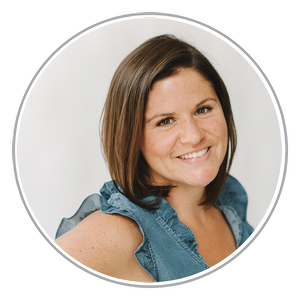
Guest: Dr. English Goldsborough, ND, BCHN, Integrative Somatic Trauma Therapy Practitioner, Certified Lactation Counselor
Can emotions actually block fertility? In this episode, Elizabeth sits down with her dear friend Dr. English Goldsborough - a Naturopathic Doctor, Board Certified Holistic Nutritionist, and Integrative Somatic Trauma Therapy Practitioner - to explore how unprocessed emotions and chronic stress can quietly signal the body that it’s not safe to conceive.
They unpack how trauma and emotional patterns impact the nervous system, hormones, and immune balance, and how somatic therapies like the Safe and Sound Protocol help the body restore a sense of safety, balance, and readiness for new life.
This conversation bridges the heart and the science - reminding us that our emotions don’t just live in our heads, they live in our bodies. And when we help the body feel safe again, healing - and sometimes, pregnancy - follows naturally.
https://www.thenourishingtreelouisville.com/
Please note that transcripts may contain minor errors or inaccuracies. We hope you enjoy reading them and find them helpful.
Hey, you're gonna be okay. I'm Elizabeth May, and my functional health practice helps people heal when they've exhausted traditional options. When no one else can figure your health challenges out, my team helps you resolve symptoms and restores your health. You're listening to my podcast where we'll hear stories of healing chronic illness from a root cause approach. Today I'm joined by my dear friend and colleague, Dr. English Gotzborough. She is a naturopathic doctor, board-certified holistic nutritionist, and somatic trauma practitioner, and a lot more, but we'll get into that. So we're talking today about something she sees in practice all the time. The way emotions and unprocessed unprocessed experiences that we go through can literally block fertility. So we're gonna talk about how the body, when it feels safe again, can open back up to life. But welcome, English. I'm glad for you to be here. Hi. I'm glad to be here as well. Yeah, we um I feel like we owe them a little bit of backstory because we met in nutrition school um in Florida, your favorite place. So we discovered that we lived like 25 minutes apart. Um, so we both practice out of Louisville, but I want to have you just tell me more about your practice, um, what you guys do, who it is, what all that entails.
Yeah, yeah, yeah. Okay, so um mainly fertility, which would encompass preconception, during pregnancy, postpartum, that kind of thing, right? Like the whole span of that. And I will say that I went into that thinking I was going to be a hormone specialist. So I thought, oh, I'll just do all things hormone. And you and I both know that is not how it works. Uh so through each little thing, right, we learn, oh, the gut has a lot to do with fertility, or the nervous system has a lot to do with fertility, or there's pathogens like mold and lime, those kind of things. So it expanded into all things, right? But uh as it relates to fertility. So very comprehensive, I guess we could say.
Yeah, and babies being the total goal, but I know that you work with not just women and their partners, but you work with kids, you've worked with all ages, all sorts of things. Um, and as your friend, I get to watch a lot of behind the scenes and we refer clients to you because while we have made babies in this practice, you are the queen of it, and I would much rather have somebody work with you and your skills than me and mine. But I do think it's super important to talk about you guys. Have brought nearly a hundred babies into the world, um, partnering with their families. And I just think that's so cool because it's a hundred babies, but then that's 200 people who wanted to have a baby who now get to have this whole life experience. And I think it's so fun. So a lot of the work we do is really similar. Um, we're usually working in our practice with like chronic complex infections with children, primarily and their families. Your goal is fertility, but really there's so much crossover, like you said, with infections and immune health and safety and connection in the body and the body functioning wholly. So I kind of want to get into just like we see emotions blocking healing progress, we see emotions triggering immune crises or breakdowns or autoimmune disease. How do you see emotions showing up as like a physical block in the fertility process?
Yeah, yeah, yeah. Okay. Would it be helpful if we kind of start with, and maybe you talk about this a lot, so maybe your audience completely knows, but would it be helpful to start with like polyvagal theory and kind of just break down like the three break down three states, right? Okay, so and I think, you know, at least what I went into it, I went into it with an understanding of parasympathetic versus sympathetic, right? We think that there's two, but there's really that parasympathetic that's dual. Um one state really, really great for conception, one state not so great for conception, right? So very quickly, when we think about sympathetic, we all know that that's that fight or flight, that hyper-vigilance, the hypo, like hyper-arousal, right? So fast, fast, fast. Uh, and then that parasympathetic will split into two, where uh that that ventral is going to be that safety, the calm, the connection, that state that we really, all of us, regardless of whether we want to conceive or not, really would strive to be in most of the time. We can't be in there all the time, but most of the time, right? Uh, and then the other side of that parasympathetic is going to be that dorsal. So just the shutdown, the freeze. And I think most people are probably, you know, familiar with that side of things. Um, but what I think is really interesting and maybe not so favorable about when we are in the conception trying to conceive, period, is that we cycle through those states every time we're we're cycling, right? So as somebody is headed towards ovulation, they might be really hopeful. So maybe they are more in that like ventral state. Uh, they just feel this innate ability to connect with their partner, they can envision the future with a child. Things feel really good. Uh and then we head um, you know, towards ovulation. Ovulation happens, that's over. Your one chance that month is now over. And then we head into that sympathetic state where we are hyper aroused, we are hyper-vigilant, we are always looking for signs, right? Oh, my my fingernails are peeling. Maybe I'm pregnant. We should Google that. And it's like, is that really related? Probably not, right? But like, oh, I have one bimble. Maybe it maybe it's happening. So we're we're hyper-vigilant, always on alert, hyper focused on our body. So we spend all that time, that two-week wait and sympathetic. And then maybe we're not pregnant, our period arrives, and we go more into that dorsal, that's shut down. So then we're like, oh, eff it, nothing really matters anymore. Why try? And we want to hide from the world and we don't want to connect with our partner, we don't want to connect with our friends. Um, and then, you know, maybe hope comes back around again. But I think as the months go on, staying in that ventral, calm, connected place shrinks more and more and more, and we get less hope. And then we just get stuck between being really hyper-vigilant for things and shutdown, and we just go back and forth. And when we are in that state, right, our nervous system either tells the body that we are running from a saber-tooth tiger all the time, it's not safe to have a baby, there's danger around, or when we're stuck in that shutdown state, uh, you know, we're conserving energy, our metabolism goes down, we're not using nutrients the same way. And that's not a state to bring a baby into either because we are so slowed down. So I think that is maybe where it's just different when somebody's going through fertility to where they they get stuck in those states quite often. It's just a little unfortunate.
Yeah, the cycling piece is really important.
Yeah, the cycling piece is really important. And I think connecting to, let's be like super literal, how does the stress, fear, trauma cycle impact physical things? Like the hormone signaling, how does it affect ovulation? Does it affect implantation or pregnancy start being pregnant? Like, what does that look like?
Yeah, that's a good question. Um, so yeah, I mean, all the things, right? So if if the body feels that it is not safe to have a baby, well, then it can prevent you from ovulating at all. Uh, and that we can't get pregnant if we're not ovulating, right? That is one of the main things of the show. Um, so that stress in and of itself, you know, and we can see, you know, in those who are really stressed, maybe they still are ovulating, but it's just delayed. And then if ovulation is happening, um, you know, we know that that stress chemistry can cause a lot of inflammation in the body, a lot of autoimmunity in the body. Uh, it can just trigger the immune system to go after invaders and pathogens. But what if the embryo is considered an invader because it's half not us? Yeah. So it and it it stinks, you know, kind of when you tell a client that, like, oh, your body is mistaking an embryo for something to attack. That really stinks, but that is, you know, I mean, you know, same thing is with autoimmunity when it attacks yourself. It's doing that to unfortunately a baby.
Yeah, we talk a lot about immune health, as you can guess. Yes, most of our clients are dealing with immune struggles. And it is really interesting to break down and understand that the immune system, like an invader, is not just a pathogen, it's it can also be um there when we're working on conceiving, and it's really fascinating. So, do you feel like you see we see the cycling emotional patterns? Do you feel like you see other emotional patterns in clients who are struggling to conceive?
Likely, and they're probably gonna be so different with everybody, right? Um yeah. It's it, you know, it's interesting because sometimes you get the the people who um very go-getter, right? They want to do all the things, so they seem like everything is going right because oh, I'm gonna do this and I'm gonna do that, I'm gonna do that. Uh, they are like the type A people, the maybe they're people pleasers, they want to do everything. So you see that a lot as far as like, oh, give me more supplements, give me more restrictions. That's gonna help. Maybe that's not necessarily gonna help that person. They might need the opposite. Uh, and then sometimes you see those people who are maybe blissfully in some shutdown state and they think nothing's gonna matter, so they don't necessarily follow any recommendations because they think it doesn't apply to them necessarily. Um maybe a blissful state to be in, but not necessarily the most helpful.
Yeah, yeah. Not the most helpful. I think it's kind of clear that like the body can't basically create when it's stuck in survival, and survival can be lots of different directions. Like we talk so much about the ventral vagal and care, because social engagement with a child who's struggling physically is so important to bring them into a place where their body can heal. And when they're little, they don't talk. It's not like we can sit down and be like, let's do some breathing and help you become less stressed. So we focus a lot on building in and bringing in more good, like bringing in more joy, bringing in more mindfulness for the kiddo or groundedness. I kind of want to talk about like there are these like day-to-day states, but like, where does trauma fall into this whole discussion? And are there bigger things than just the cycling through free social engagement, fight-flight, like going through those stages every month that impact things? And what is that, what do you see that showing up for you?
Yeah, yeah, yeah.
Okay, so I think it's probably compounding, right? We we definitely have those individuals who, even in the womb, probably were subjected to trauma. And we know that mom's nervous system is what builds baby's nervous system, what for like the first three years of life? So that begins in utero. That cortisol rise and fall is what trains our baby's nervous system to know that danger comes, danger goes, things are fine. Uh, so I do think there is that patterning that starts in utero that most of us probably aren't even aware of. We don't have explicit memories of those states. We have implicit. The body knows, right? Everybody knows the body keeps the score. Uh, so I think that probably starts some things. There's things in childhood, adulthood. Um truly believe that just the body is very, very intelligent. So um if something happened in the past, but the nervous system hasn't gotten the message that now things are safe again, I think we bring that with us into our current state. So let's say we were in a really bad marriage in the past, right? If we haven't allowed the nervous system to process that and realize that now we are in a safe space, then perhaps the body still thinks we're there. Uh so I think that has a big effect. Um I think just feeling like hopeless, anyways, has a bit has a big effect, right? It's it's that state of I'm not in control of this. So a lot of people going through IVF that compounds to it because you feel like you don't have a choice. Uh, you either stay in it until you run out of money or you get a baby, but you have a choice. You're just not really told you have a choice and you don't feel like you have a choice. That in and of itself then compounds to the the trauma, right? So whether we call it trauma, we call it stress, but it doesn't matter to me. Likely the same thing. I mean, we could get super woo-oo.
I love a super woo-woo moment. But I think all those things live in the body in different ways, and for everybody, like things manifest differently, right? Like having left a destructive marriage, I know that when my body feels unsafe, then I literally can't think, and I become I don't breathe very well, and I really like am not a good sleeper, and all those things like physical chronic tension, all of those things like add up stack up. And if we're stuck in states like that, or we've seen clients who had like experienced things around the safety of themselves as a child, or the safety of a sibling as a child, and I would think that those things play into it too. Like, can I keep a child safe? Can my belief system around what kind of a mom am I able to be? Those sort of things I think also matter. We see that at least with children who are already born and parents who are like, I'm not equipped to deal with this thing that we're dealing with. Yeah, that part I think impacts, you know, the total body health and is really interesting. The unprocessed things.
Yeah, I mean, I think I think it had a huge effect on just us conceiving, right? Like I we did all the things, we did the GI maps and the MRTs, and we, you know, I prepped my body for three years with nutrients. So I thought it would be so quick and easy. And yes, okay, it's not gonna happen the first month. That's just not logically and not how it works, right? But for me, there was a lot of fear based around like what kind of mom will I be? I'm gonna fail this child. I I'm not equipped for this because I was never the person that dreamed of being a mom. I wasn't against it, but you know, some people from the time that they're young, they can't wait to get married, have kids. That wasn't me. I didn't envision that. Could we take that back to childhood and my attachment? Absolutely, right? Like that. So I think my attachment style growing up, which you and I have chatted at length, similar things, right? As far as childhood goes, and not having that loving feeling. How am I going to give that to the next generation? And I don't want to perpetuate that generational, not great attachment style. So that I really think was preventing us from getting pregnant for a good amount of time.
I appreciate you sharing that. And I think too, you know, we talk a lot because we have similar personalities. Um, we're go-getters and we're gonna push through all the things, but also like, yeah, it could be like a big trauma something, but it can also be kind of like daily disposition. Like my proclivity is to like fight, push through, keep going, not honor when my body needs rest or when it needs more time in ventral vagal. I'm not like the funnest person ever. Like joy and being like so open and fun. Like, that's not probably my MO, it's the working that you're done. Um, even that like ongoing kind of trauma state, if you will, sometimes personality, I feel like plays into physical health too, whether it's conception or literally day-to-day health.
Yeah.
Oh yeah.
Yeah. Look, we would we would go through ovulation and we would have we would have our try, and then I would wake up. I'm just gonna admit this. I would wake up in the middle of the night, uh like during ovulation and think, oh crap, I don't think I'm ready for this. Too late, right? And like, so then I would like have this like, oh no, we shouldn't have done this, I'm not ready. And then of course I was devastated each month when it wasn't happening. So I knew I wanted it to happen. It's just the fear was was in the way, uh, you know, it's which do any of us really know what we're doing?
Probably not.
But I also think it's so important that this is talked about because how often do you hear somebody talk about like literally the day to day of working through conception and like all of the feelings and all of the thoughts and all of the anxieties about future momming, pregnancy, birth, like there's so much to be emotional about, not in a negative way, but like literally it elicits a lot of emotions in the whole process. Forget if you've already been trying to get pregnant for a long time and you're in the like emotional shackles of infertility, there just have to be so many layers, and we don't even take time sometimes to literally think about like okay, day by day through the month, what is my nervous system receiving from my brain as I'm emoting and working through all this stuff? Like it feels like huge, but also I think it's cool because there are lots of things that we can do. Um, and it kind of maybe for a minute feels like overwhelming. I tend to feel overwhelmed by these things, but I think it's really helpful when we start to understand how does the brain and the body work together. Um, and I kind of want to move into like somatic therapy chats and like what is somatic therapy? What is it? Let's just start there.
Yeah, yeah, yeah. Really just an awareness of your body, right? And and what is going on internally, whatever it is, um, tuning back into ourselves. From a simple standpoint, right? Just really paying attention to where where we're feeling things, how we're feeling things, how are things affecting us. Um, because it's it's so split, right? Like it happens so fast that we respond to things, and a lot of times we're not even aware, right? So maybe you're aware because you've done the work, right? But uh maybe a lot of people aren't even aware that they're really not breathing. They they start to hold their breath when when they're going through things, and they're not aware that they're they're holding that. So it's just becoming aware of our own tendencies and and tying those back into what is maybe triggering those things. Trigger is probably not a word a lot of people like to use. We could use something different, but you know, like what is what is stimulating that? How can we repattern that? That kind of thing. So an awareness really is what we're looking at.
Quick break. If you've been curious about homeopathy, this is your sign to try it. At Hey Hey Homeopathics, we've created liquid remedies for everything from sleep and skin to digestion and beyond. Safe, gentle, and designed for real life. And if you're a practitioner, our preferred professionals line opens the door to powerful tools like no sods, miasms, detoxers, and more. Anyone can shop, but professionals can apply for exclusive access. Visit Heyhe Homeopathics.com and start your path to natural healing today. So somatic therapy kind of comes in where like I think about clients who come and they're like, I have this whole lots of experiences in my life that have been really difficult, and I just have a hard time relaxing and I'm just told to like relax, do some breath work, chill. But like that's not really possible without the nervous system really learning the patterning of safety and the patterning of relaxing. And that's kind of where my understanding is that somatic therapies come in. They push us towards better patterning of connecting our mind to our body. So some people, it's like literally just the awareness, like you said, of like when I feel stressed or whatever, I'm not breathing, I had no idea that I was doing that before now. Um, like what are some modalities or examples or things people may be familiar with that would fall in that like somatic category?
Okay.
Oh, there's probably so many, right? Um, so like EMDR would be something that somebody is likely very because I think that's you know become pretty popular, right? To do EMDR. Uh somatic experiencing. So like the Peter Living type things. Um, but even like my mother there's different types of yoga. And so what'd you say?
Yeah. I said explain what somatic experiencing is. I still feel like that's a high level just words.
I was gonna say I haven't gone through that training. I have watched many uh Peter Living things, but I am not a somatic experiencing practitioner. Um but he just the the reprocessing of things, right? So he will have somebody um kind of stay here with us. The co-regulation piece, so stay here with us, partially go back to somewhere or find the place in your body that that is located and focus on it and intensify it, but then go somewhere else that feels safe, come back and intensify it, go somewhere else that feels safe. And as you do that, from what I understand, and not an expert here, it releases um, you know, kind of what you're going through. So I I've at least watched videos where he does um this with uh like PTSD, like military veterans. Uh, and it's it's incredible to watch him do those things. It's really cool.
But it's that reintegration of all of the like I've been through the the reintegration of all the sensory parts, right? So like what you think, what you feel, what actually happened, the visuals that existed for me from my experiences, it was always the visuals because I'm super visual. So something would pop back in on a Tuesday in my brain, and I'll be like right back there, but I couldn't get like unstuck from it. And so, like putting all those things back together, like you said, from like from a place of safety and then re-experiencing helps the body to integrate what the mind will conjure up and then what the physical body feels or responds to. Um yeah, EMDR eye movement desensitization reprocessing, I believe, is uh so that's that left right eye movement. Um internal family systems work, I think, is the same, right? Like it's in that category of yeah, I need therapy coin category.
IFS is
Fascinating to me. Yes.
I I cannot wrap my head uh around it yet. Now I have not done training in it. I've just, you know, enough to be dangerous as far as like reading goes. Fascinating, though. And it makes so much sense. I definitely think it's something that I would like to explore just for myself, not necessarily to provide for others, but to explore for myself. Yeah. Mainly just because I know when I get in those heightened senses, everything goes blank for me. Like I can't, I can't think, everything is black, I can't formulate words. And that in an IFS kind of thing is like your protectors, right? They're protecting you from the feelings and the sensations that you aren't ready to process. But it's maddening when you are trying to have a conversation with your husband, conversation, and you can't, you don't have anything to say back. So I think um that would be fascinating to go through, right? To see see what pops up there.
Yeah. Yeah.
Like as a construct, it's really wild because it does go, it's like that whole what sort of people I don't want to say personalities because then it, but that is true. It's like what personalities do you have inside of you who have created different roles, and how do we work to integrate them instead of them showing up and performing their like super protector role where your brain then is like um, but it's the same thing, it's integrating the mind with the body because they go together. I talked a lot in the intro that like Western medicine, we silo everything. You go to the therapist for that, the cardiologist for this, the dermatologist for that, and that's why our work works, and that's why people get better and stay better because the body is a whole being. So one of the somatic tools that you use is safe and sound, and I really want to get into that. So can you tell me about it?
Yeah, yeah, yeah. So I'm actually using uh safe and sound and rest and restore now, so I can kind of get into now they're similar but different ones a little bit easier. Uh so safe and sound developed by Stephen Porgis, you know, the the grandfather of polyvagal theory. Uh, but I like it because it is just music therapy, if you will. Uh, it is bottom-up. So talk therapy is very like top-down, right? You have to talk about the things, you have to process the things, whereas a lot of somatics, and especially safe and sound, it is bottom-up. So we are just listening to this filtered music. Uh, so the the music is filtered in a way to take out the really high tones and the really low tones. Really low tones correspond to that shutdown state, and really high tones correlate to the sympathetic state. So, think about an ambulance or a police siren. Those things are very high tones. They're very alerting. So they take out the high tones, they take out the low tones. And this actually corresponded with a study uh that showed that mothers, when they're talking to their infants, the ones that used those middle tones actually were better able to lower the distress in their infants, whereas those who are using high or low tones, their infants didn't soothe as easily. So that's kind of how that that correlates to with what they're doing. Um so we we just get on Zoom together and we put on headphones and we listen very, very slowly to this filtered music that is designed to basically give your inner ear muscles a workout. Uh, and we're working out our inner ear muscles because they are connected to our vagus nerve, and that retunes the vagus nerve for that sense of safety, calm, connection. Um, because so many things can can dysregulate that, right? So if you're seeing kiddos uh with lots of ear infections, those ear infections can actually, because it's messing with the ear, the ear muscles, that's going to dysregulate the nervous system. Traumas are going to dysregulate the nervous system, you know, things like that. So it can be so beneficial for for so many people. Low tone in those with autism, it can be really beneficial for them as well. Um, but it's it's so simple, and we just do little bits at a time and they can listen on their own in between. And it just filters differently throughout a five-hour process. Um it's it's honestly really, really cool. I really, really like it and powerful. Absolutely. Yeah, yeah. Yeah, yeah, yeah. We can do it a little bit differently, you know, like if you think about probably your your autism kiddos that sensory-wise probably don't want headphones being on their head. We can do speakers, um, that kind of we can do very short stints because maybe they're not gonna be able to verbally tell us, like, that's agitating me, or that's making me feel kind of funny. So that is where maybe the co-regulation comes into play, where where a parent also comes into play as far as knowing their child really well and they can see the signs, okay, like that was 30 seconds, that's enough. We're gonna hold off for a couple days. Um, but yeah, it's I mean, I even have women do it in pregnancy, to be honest, just to help them regulate themselves and start to give their baby, you know, some good patterning uh before they're even born.
That's cool. What's rest and restore? Tell me about that.
Yeah, yeah, yeah. Uh, rest and restore they just came out with recently. So this is the the RRP rest and restore. This honestly, the the clients can do it on their own. We just give them a little guidance and then um this is what they would do right before bed. So if somebody has trouble falling asleep or staying asleep, uh this one instead of filtered, you know, high tones, low tones out, this one is set to entrainment. Uh so entrainment is really just uh the the internal systems aligning themselves with whatever the external stimuli is. So if we think about even kids, right? You put on music and your body just dances to the music, you just get the beat without thinking about what the beat is. That's entrainment. So it's just beats per minute, right? So we listen to this track on headphones while we're laying down. We definitely can't have any like core tightening, anything like that, because that is not gonna allow it to happen. But we listen to this track and that puts you into an immobilized but safe state. So that's kind of where we're getting both sides of that pair sympathetic in, right? Like we're safe, but we're immobilized, and it just whists you off to sleep. It is so stinking cool.
Yeah. Huh.
Yeah.
So how often would somebody who you're working with like work through these, like a session, or how often are they doing their safe and sound or rest and restore?
Yeah.
A little bit different for everybody based on their level of tolerance, right? So we know some people, you know, I've had some clients who could go right into 15 minutes, 30 minutes every day, and they just blaze on through it. Now we could kind of say, like, okay, maybe their body wasn't ready to process things. So the the fact that they could go through it so quickly, their body's just like, mm-mm, we're not we're not gonna, we're not gonna do anything. But some people really can can go through it, right? They just, their body's ready for it. Others, uh, we really start with that 30 seconds, right? And we will do that once a week and we will see what happens. Um, but from an average standpoint, uh, we're meeting every other week for 30 minutes just to go through some somatics, go through the SSP together, and then they can do it on their own. Uh, that's with SSP RRP. It's kind of up to them, really. Uh, some might do it every night, some might only do it on the nights that they are having trouble falling asleep, or if they wake up and can't get back to sleep. Um, that is there's looser guidelines around that one to where they could use it when they want. Um, they just tell you not to use it in the middle of the day when you're gonna have to use your brain afterwards. Like if you have a meeting, do not use it because you will be in this trance-like state and you will not be able to think.
That's funny. And I just reminds me of doing like EMDR when you do it's it's so much somatic stuff. Like, if you do go through something, number one, it can be exhausting, or it can straight put you to sleep where you're like done, like your brain needs the rest, you need a break. So, do you see people? I guess like process-wise, let's stick with fertility, you're working them through these processes. When when do you feel like a client is to a place where they're better enough to get back to conceiving, or how do you how do you guys discern together that, like, okay, we're we're to a better place, Vegas, and physical-wise, where you're a little more safe feeling and we're reaching goals.
Yeah. So I think from a physical standpoint, and you get this because you you all do this all the time too, right? Uh, we really have to weigh out what's going on immune system-wise, what's going on pathogen-wise, and just kind of ask ourselves how long does it really take for the body to handle these things? And that line for everybody is gonna be a little bit different, and the line of comfortability for each couple is gonna be a little different. You know, some people might say, I want to retest and make sure everything's gone before we try, and others I've had them say, like, oh, I have a lot of mold in my system. Yeah, it's fine, we're gonna keep trying. Give it a go. You know, like, and all I can do is just present the risks first benefits, and nothing is a hard line. You know, people get pregnant healthily, you know, in lots of different situations. Um, so they get to decide, and you know, we just kind of present the evidence. As far as a nervous system goes, um, that comes into play when we start to see little shifts. And it might not be big shifts, but it can be little shifts as far as I saw something on social media and I was able to scroll right past it and it didn't bother me. Or I was able to tell the stranger who said something inappropriate, I was able to say something to them and kind of move on about it and not get in my car and ball my eyes out. Um, so when they're feeling like their capacity is a little bit bigger, you know, maybe they're they're more ready, right? But I don't even think we have to decide if they're more ready because I think their body's gonna decide for them. And pregnancy might happen, right? So it might happen under the surface, and we don't even know.
Yeah, it is interesting how the body decides when it is ready for lots of different things and when it feels safe. It does remind me of I mean, we know that this is helpful for fertility, helpful for nervous system dysregulation, image, and autism. I think about our mold and our lime clients because the nervous system is so impacted by those. Can you talk a little bit about how just like toxins, pathogens, like there's interaction going on there with the nervous system that puts us in a place where we need restoration?
Oh yeah. Yeah, I mean, because we know, like, right, when when we are living in a moldy environment, or the moldy environment is just internal, or the Lyme, spirochetes are internal, whether it's external or internal, uh, the body is always scanning for those things, right? Your immune system's always scanning, and when it is scanning for those things and it is finding those things, we're on high alert. The body knows fight, fight, fight. Uh, so then, you know, what it was at Richard Navio that talked about like the cell danger response from those things. Um, so even after we've gone through some of these protocols where maybe the environment's clean, maybe the internal system is clean now and rebalanced, sometimes the nervous system hasn't really gotten that message because it's been in those environments for so stinking long. So it might be like, your urine test is clean, or you know, your antibodies are really low now, but the nervous system doesn't know that it still thinks we're there. Whether that whether it's because it still thinks it's there or because we've been living in that state for so long, that is just how our body has learned to respond to things in the environment. Uh I mean, I imagine you've probably had clients where we know their house is clean now, we know they've remediated, but sometimes when they go into their kitchen or they go into their bedroom, wherever the spot was, they all of a sudden feel like, oh, I can't breathe. My heart rate is going. There must still be an exposure. Sometimes maybe there is. Sometimes maybe there's not. And the body just isn't getting the message that it's gone now. Um, so yeah, so sometimes, right, we have to do the like SSP or repro, you know, neural reprocessing, those kind of things, um, to even let the body detox, right? Because if the body doesn't feel safe enough, it's not going to detox. So sometimes we have to front load those things. Sometimes we could do it at the back end to where it's like we've we've detoxed all the things, but now we need to repattern the body. So I think there's probably many ways to go about it. And some people are lucky and maybe they don't have to, they don't have to do it, right? Their body, their body's resilient and they don't need the reprocessing. But for most people, there seems to be at least a little bit that needs to happen there.
If you've been wanting to transform your health but don't know where to start, I've got you. My full color cookbook is much more than recipes. It's a 300-page crash course in healing through food. You'll get 125 plus gluten-free, dairy-free, soy-free meals the whole family will love, plus step-by-step guides on shopping smarter, improving digestion, and making your kitchen a healing place. It's gorgeous, practical, and designed to make healthy living simple. Grab your copy at heyhey may slash cookbook and start changing your health one delicious bite at a time. Yeah. I think personality impacts it too because those people who are great at letting go and not attach to things are like, yeah, mold's gone, we're done, it's over with. And we have other clients who are like, I mean, I didn't want to call them out, but yes, the men are like, I mean, it's gone, I wouldn't really hear, anyways. And the women are like, Are we sure it's gone? Are we sure it's there? Do I see a spot? Do I see a little bit of a haze? Like, I'm not sure. I feel like I smell something, which all that's good and fine because those sometimes are tools that our body can use for us to protect us. But the safety thing, I think culturally too, women and safety. Now I come from a place where I've experienced non-safety in my home environment. But I think that has to inform so much of our ability to conceive or even just thrive in female bodies. Yeah. Which is a bummer, but it is reality. So okay, back to fertility stuff. And I'm gonna kind of maybe put you on the spot and hopefully you can recruit something from your brain. Um, this podcast is all about stories of clients who have healed in this pathway. So we cover all kinds of stuff, but can you think of maybe stories or examples where this emotional reprocessing, somatic training really made a difference, especially when it came to like conception?
Oh, okay, conception. I was gonna say, because I have I have one example that's two of them. Oh we love a little hope. Uh okay, deal. So and she doesn't want to conceive again. She's she's had two kids, so um, but uh, we did SSP and we started very slowly and we weren't even very far into it. Now, full disclosure, we also work through some like chronic strep stuff. So you'll you'll get this piece of it. But we did SSP and we did, you know, the homeopathy side of things. She was the type before this to stay up all night cleaning. So she would get up in the middle of the night and she would clean the kitchen, she would clean the living room, always doing projects. If she got a project in her head, she was gonna get it done, right? Like she'd mentioned to her husband, oh, I want to paint the front door. And by the time he'd get home from work, she had repainted the front door and done all these things. Always a project. She was always um, she was also um, she would talk to her her mom for hours every day about the symptoms she was having in her body. And it was all right-sided, which from her perspective, we know that has to do with the mother, right? Uh, but all these pains that were happening for a decade that she was having, lots and lots of things going on. She couldn't take time to connect with her kids. She couldn't, you know, go play with them and then go back and do other things. She had to finish her list first. It was very OCD, very manic, is what she would describe as manic episodes. Uh, so we did the things. She doesn't have any of that anymore. Like she can start a project and walk away from it and go play with her kids and come back and maybe do a little bit more. She will sleep through the night. The pains are gone. Uh I she was the type to do, you know, like lead the co-op and lead this and lead that. And finally she said, Oh, I don't have to do that anymore. I'll let somebody else do it. And I don't care what they think about me by not doing it. That's freaking major to not have to do that. So many layers of major. Yeah. Yeah. So many. And um, so I think if she was having trouble conceiving, I think that would have been major for her too, right? So that could have been something. But I think that to me was just oh wow. Yeah, you know, you got so much of your life back, uh, that it's it's stinking incredible. Um, you know, on the flip side, a fertility piece, um, let me find somebody. Um, there was a woman that's coming to mind that I think they've been trying to conceive for maybe a year and a half, two years, something like that. Uh so and she's seemingly very healthy, so we didn't have to do much internally. We just did SSP and some minerals, HTMA, that kind of thing. Um, but within a very short time of starting SSP, she was pregnant. Now, was it SSP? Was that what was gonna happen, anyways? I can't say, right? I can't say that that's totally what it was, but um she definitely and that led into pregnancy as far as like feeling confident with her body and feeling more safe and you know, not scanning for all the things, um, which is I think a benefit for for all that do it. Yeah, yeah.
The the mental labor piece, I think we can all identify with it when it's brought to our attention. But like the lady who's cleaning at night and the projects, like, think about how much you think about like just painting the door. I need to prep the door, I need to get the stuff to prep the door, is the weather okay? Is it gonna get wet? Is anybody's hands gonna get on it? I need to tape it, I need to buy the paint, I need to go to the store, like there's so much going on all the time, and even like even in a good and right day-to-day, I'm gonna paint the front door. That's like such a go, go, go phase. And to be living like that all the time, yeah, and then have that noise, hush it all the way up, feels like freedom, feels like so much peace, and then the body falls, which I think is kind of the core. Yeah.
I mean, I'll tell you, she was, you know, months out from when our package was gonna end, right? Like, we still had so much time to work on things, and she was already thinking, what am I gonna do without you? How am I gonna do this? You know, and she's like, Okay, hold on. We still have five months together. It just we are clear we get in five months, you know? But you get it from the manic side of her. She was trying to plan in advance, planning for what's gonna happen in five months, which I'm not going anywhere. It's fine. We can we can still talk. But once we got closer to the end and where she had made made progress, I wouldn't hear from her for like weeks at a time. And it wasn't because things had gone wrong, it's because things were going so well, she didn't have to think about it anymore. She didn't have to be on the phone with her mom all the time, she didn't have to message me with symptoms, things were just really, yeah. It's it's incredible, like it was incredible. And I do think maybe the strep piece was a big piece of it, right? And I totally understand that, but um, yeah, yeah, it was incredible.
Big flaggy there. Gotta clean all the time, gotta have everything be clean, gotta have it together, gotta have the order. Very streppy, but yeah, that's cool. It's just the safety piece. I think the safety, safety, safety, and understanding that safety is not just like that I'm physically safe, not getting hit by a car or in a fire. Like it's literally the all day long safe and relaxed, like the body can't heal and do good things without that state. So um, I got a couple questions for you. What do you wish every woman knew about her emotional body before she started a fertility journey?
Oh man. Um, gosh, this one will kind of stink, but I wish every woman fully understood uh the gravity of her nervous system patterning her child's nervous system for the first couple years of life. It kind of suck you.
It's kind of sucky, right? That's the that's the whole thing.
Well, it's like I'm tired now, but that's great. It's a whole thing, right? And it's a lot of pressure as if we needed more pressure on ourselves. Uh, but I think if we can like step back, I think it's important for people to know in advance so that they can prep for that, right? You know, we can spend the time doing the healing because let's be honest, once you have your child, how much time are you gonna have for personal healing?
Not as much, not as much, just so have some it'll be different. Yeah, sure. And it comes back around, but yeah. The other side is you know, that can feel like, oh dang, I think about my boy's early days in our life at that point. And also the beauty of nervous systems is things like safe and sound and all sorts of other somatic experiencing exist and can write some of those things that maybe weren't great early on and can create traffic over time. So but yeah, there's a lot of we don't we just focused on pregnancy and birth, and then we forget sometimes that there's I mean, we're obviously gonna parent our kids, but there's a lot more that we can do to increase quality of life for everybody. So yeah, it's not a blame or shame thing, right? Yeah, yeah. Well, I think too, and it's like our populations are different and the same, but we have so many people who are discovering that they lived involved for years when they're pregnant in their early years, and I think about that, and then we have so many. People who have left like traumatic hard places. And I mean, that's my story. So my first thought when I hear that is like, oh crap, I missed the opportunity. It has passed now. For you know.
Well, okay, but but can we also consider? Because I think this is really important. I think it's important to consider that your your responses to your past environment, even if there's like this guilt feeling for your boys, your responses to that environment were appropriate, right? Like we can have appropriate responses to what we're living in. That okay, maybe that's not how we want to be, but it's an appropriate response. Um so you weren't meant to be in a calm safety feeling when your environment was quite literally not safe, right? So yeah, yeah, it's it's an appropriate thing, and it and your boys are resilient, you know, just as kids are. So they're wonderful little human beings.
So thank you. Yeah, there's there's so much truth to that too. And I think working with kids and seeing so many kids go through, I mean, scary things, but even mold, like that's like it's just a thing. It's just a toxin and a yuck. And it it bothers your nervous system so much and seeing people come out. But um, what's something that somebody could do today to reconnect to their body safely? What's like a simple, easy maybe practice we could tune into now?
Oh, okay. Hmm. Okay. Um great. This is a you're really going on. This is such a simple one. Um, okay, so a thing that we can do to come back into our body. Um, I don't know. Throw me a line here. Cause I'm going um scanning the environment. So, like what my mind goes to here, and maybe this is the complete opposite of what um you are suggesting. But I come in contact with a lot of clients who are too in tune with their body, right? Like they're always scanning for symptoms in their body, right? Which doesn't feel safe, and they don't trust that their body's safe because they think their body is trying to kill them. So what I do in those situations is more tune out of the body for a moment, right? So we can look around and name five things that we see in our environment. We can name five things that we hear, five things that we smell, we can touch different things, right? Like touch the desk or touch a soft blanket to kind of come out of that to take a moment to realize, like, you know, like we don't have to be thinking that our body's out to get us all of the time. So maybe that's the complete opposite of what um you were saying.
I love it, because we can also go in nature.
Yeah. Go in nature, go look at the sun instead of like the the normal spot, right? Get morning sunlight to go get grounding. But there's there's fact and truth in them.
So that's fair. Yeah, yeah. Those are such accessible things too, because I think a lot of time in healing we always think like, what's the new thing I have to do? What's the program? What's the biohack? What's the food I need to be eating? Which that's uh same hyper-vigilant, which honestly, if you're listening to this podcast, you're probably thinking about how do I get my body to a better place, and to remember that there are so many simple things that create safety, and that's really kind of core to safety is returning back to simplicity and even like go get a massage, right?
Like and I think you would preach this too. If if we're feeling lonely, or you know, maybe somebody's not married or you know, what have you, or they're not feeling connected to their spouse, just go get a massage because that touch from the massage therapist is very, you know, grounding and connecting for the body too. So that can just be an excuse to, you know, a reason, not an excuse to but go book yourself that massage, right?
So it's good for your nervous system. It reminds me of a therapist once told me um after I had my boys and I was by myself and then they were little, was to go get a massage, A, because the same reason you just said, but B, the whole time that you're there, imagine your skin like meeting the massage therapist because there isn't there is an interplay between touch, right? It being like restorative, but when you're by yourself as a parent, like yeah, I have my kids, I'm with them all the time, whatever, but it's different being like touched in a like a mutual way, I guess. And in some ways, that was kind of a mutual sort of situation where you can, I don't know, just like take the somatics of it one step further, where your brain is engaged with your physical body, feeling more of the connection. Because I am the best at going to get a massage and tuning out and being like, this is my time to generate business ideas because they will just float. And when I get up off this table, I'm gonna write them on the paper. And that is not the purpose of the massages. That's probably why I got I mean, my brain just works. Like if I ask out my body, then it goes. So I mean, I can't help it. But where can people learn more about your work and safe and sound? Can people who aren't clients who aren't seeking healthy pregnancies work with you guys?
Yeah, absolutely. Yes. So you know, the website might say a lot of things about fertility, but we obviously see people for lots of different things, right? So if they just head to the nursing treelouval.com, they can find tons of information about SSP, our practice, our team, all the things. Um I'd suggest probably going there because my little naughty self has not been posting on social media. Or is it a wise self? I don't know. Maybe, you know, it's just feels right at the moment. So, you know, yeah. I think the website's probably the best place to go.
Last question for you that I ask everybody, but I'm gonna spin it your way. What's one way you or your clients have been loved well through infertility or supported through healing that made pregnancy possible?
Um I think pregnancy for me was made possible. This is gonna sound interesting. Um, but walking meditations. I like that. Yeah, that was nice.
I mean, it helped that it was on a beach, but you know well, I think it's a good reminder too that we can introduce our friends who are struggling with things to these ideas. Like if you I think so often people are like, I don't know what to do with my friend that has chronic illness because I don't have that and I don't really get it. Or infertility is like a whole nother big ball of wax that like if you've not experienced that, how do you support someone else? But sharing things like did you know that there are walking meditations that exist that can maybe be nourishing to your like heart and mind could be a really helpful thing for somebody to share with their friend. Well thanks for being here. Appreciate it. Yeah, I appreciate it too. Thank you. Yep, yep. All right. Well, hope you guys have a great week and we'll see you next week. Thanks for listening. I hope you're leaving encouraged, curious, and hopeful. You can learn more about my practice, our team, and what it's like to work with us at heyhey may.com. I teach lots on Instagram and answer questions each Monday. My Instagram handle is at heyhey elisabeth may. You can watch these episodes and more on our YouTube channel at Hey Hey May. Learn about and enjoy our homeopathic line at heyheyhomeopathics.com. Happy healing.