You got the badge.
Certified Tick Checker.
Now let’s help you handle what you found!
Hey, it’s gonna be ok!


Tick Bite Support
What to do next - calmly, clearly, and with support
If you’ve just been bitten by a tick, take a breath.
You’re in the right place: we support bug borne illness everyday!
Most tick bites do not lead to long-term illness - and when addressed early and thoughtfully, the body often handles exposure well.
This page will walk you through:
1. What to do right now
2. What to watch for
3. When to take the next step
4. Where to get support if you need it
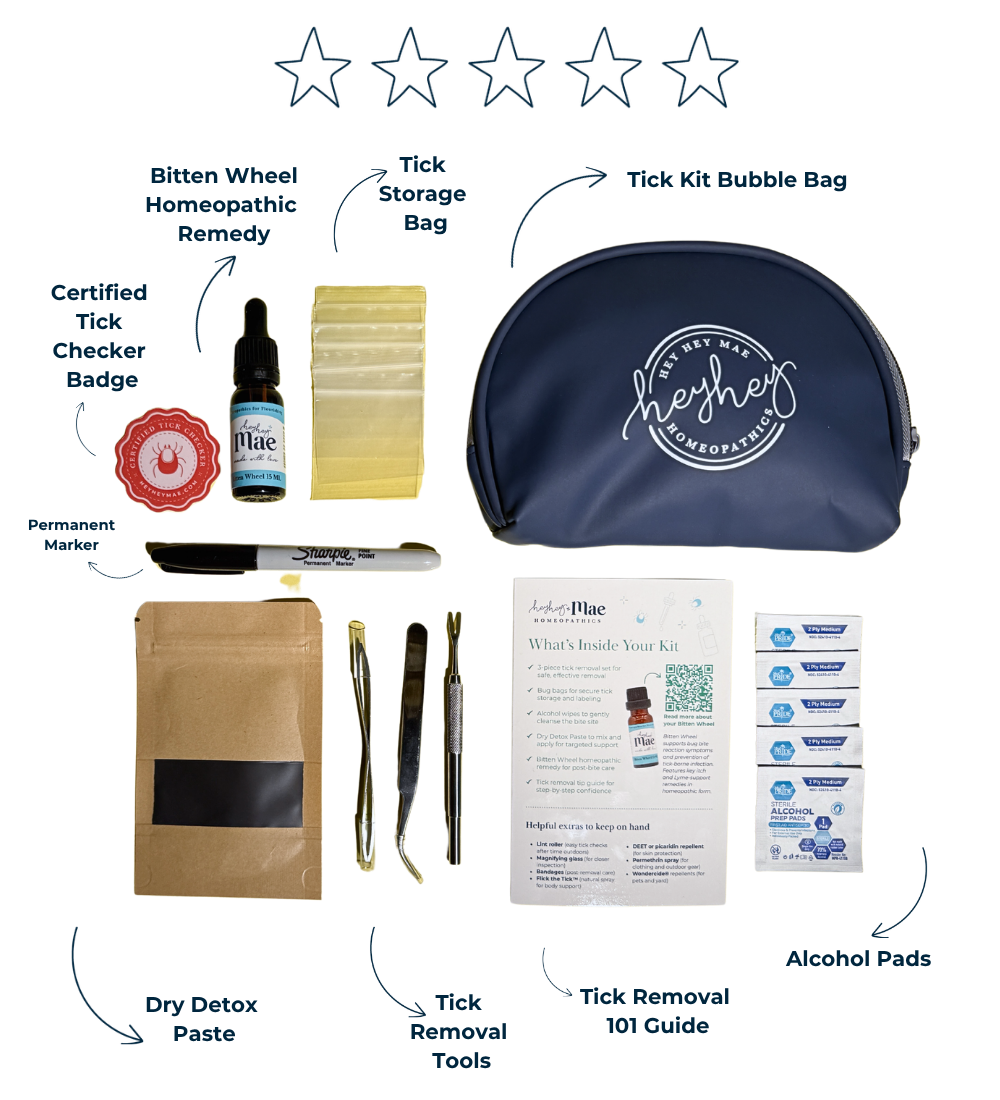
You’re prepared.
Here’s what your kit supports:
Remove ticks properly—without twisting, squeezing, or guesswork
Clean and support the bite site right away
Store your tick for identification or testing if needed
Support your body in the hours and days that follow

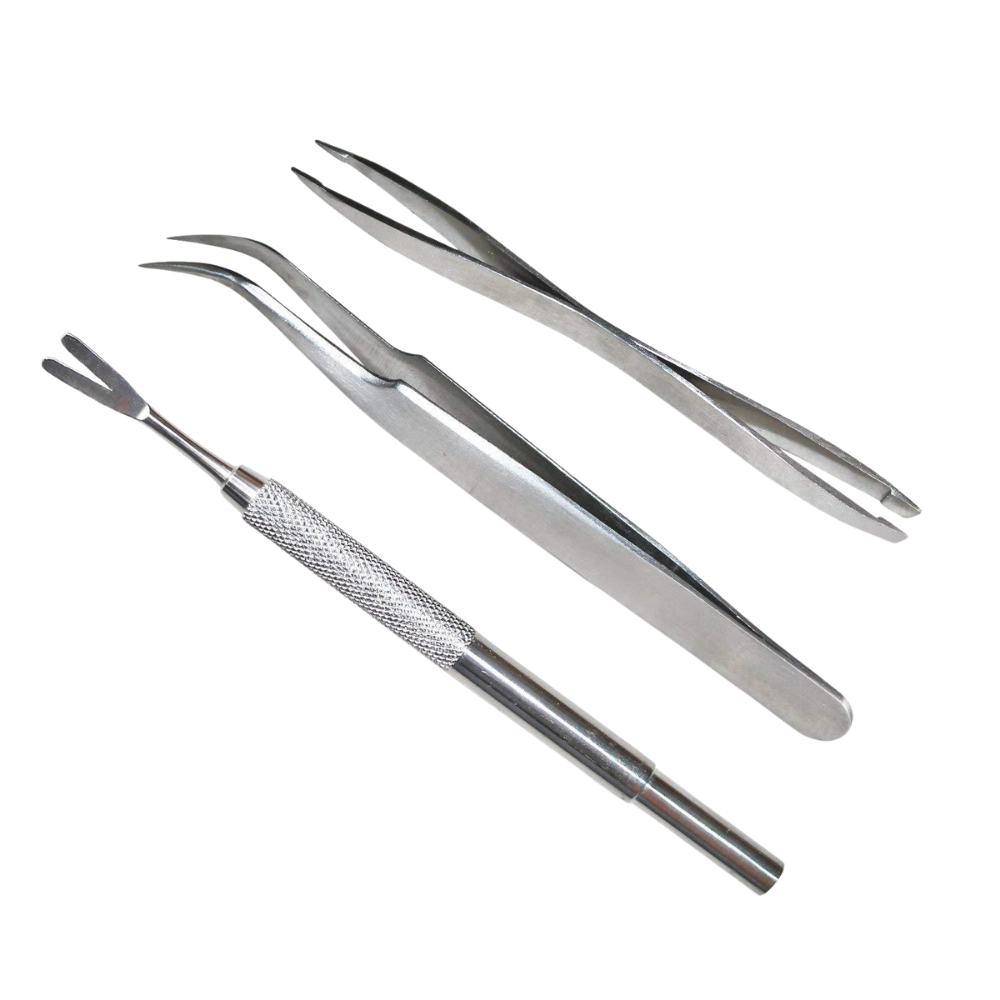

Prompt removal matters - the longer a tick is attached, the higher the risk of transmission.
Use fine-tipped tweezers or your removal tool
1. Grasp as close to the skin as possible
2. Pull straight out with steady pressure
3. Remove all Tick parts
Do not twist or crush the tick!
If mouthparts remain, gently remove if possible. If not, add detox paste, clean, try again in an hour.
Do not use petroleum jelly, heat, or chemicals.
Step 1: Remove the Tick Properly

Step 2: Clean & Support the Bite
These steps help support the body’s response at the site of the bite.
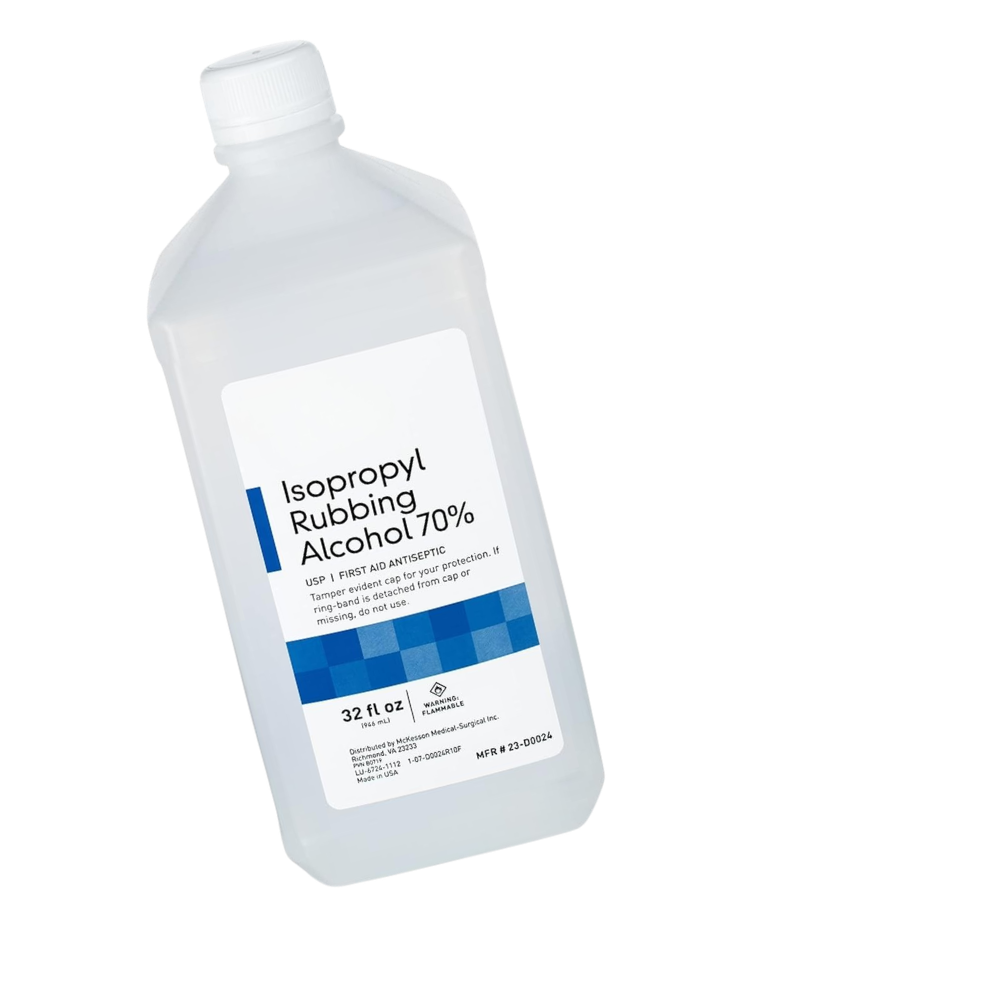
After all parts are removed: clean the bite site with soap, water, and/or alcohol.
Apply Dry Detox Paste (or activated charcoal, bentonite clay etc) to the site. Mix a pinch of powder with water droplets to form a paste. This will help draw fluid the Tick deposited.
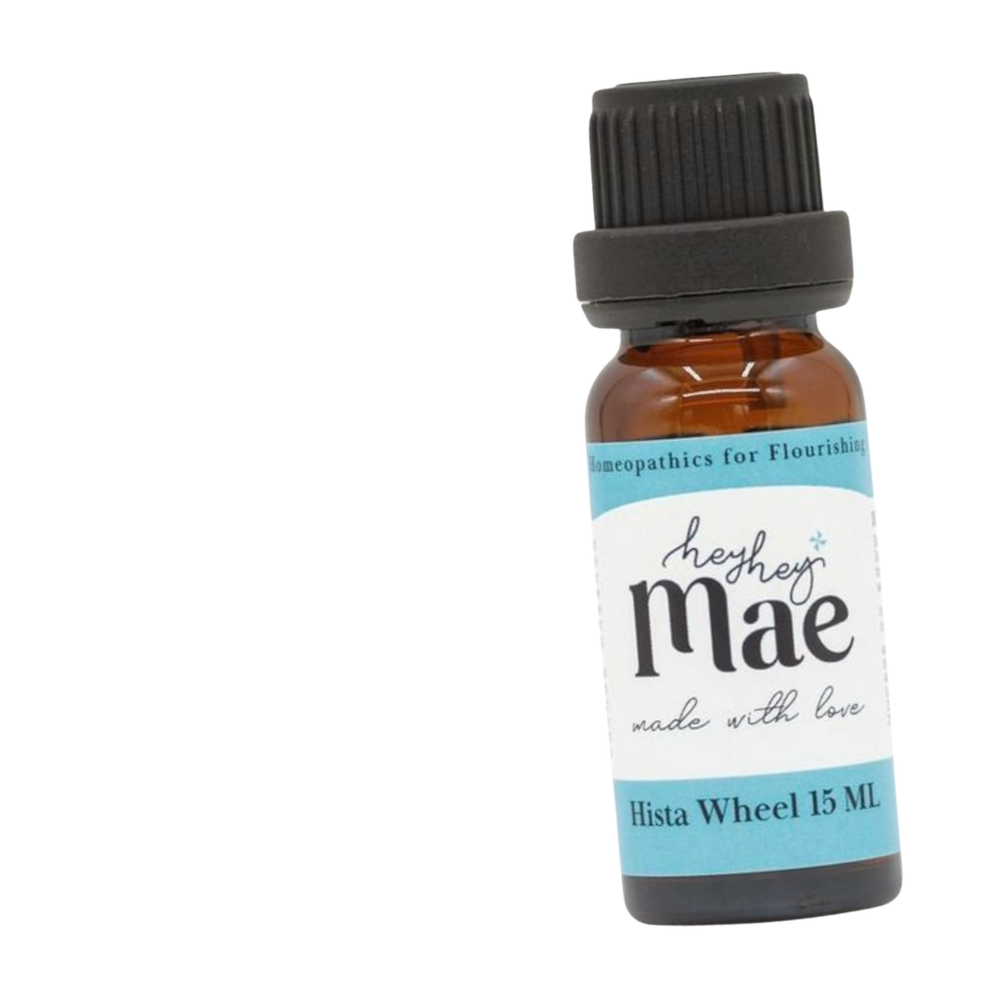
Use your Bitten Wheel Homeopathic Remedy internally. 3 drops, 5 times on the day of a bite, then 3 drops, 3 times daily for 7 days to support bite and sting symptoms, prevent infection transmission.
Step 3: Save or Dispose of the Tick
Don’t just toss the tick! Learning the type or sending for testing can help support treatment, if symptoms arrive. Proper disposal limits the spread of disease.
Place the tick in a labeled bag: Include date + initials. Store in the freezer if not testing immediately. If you want to learn more about your tick type, identify the species here.
Not saving? Drown in alcohol 5-10 mins, flush.
Want to send the tick in for testing? Order testing here, if needed.
Should You Test the Tick?
Tick testing can be helpful - especially if symptoms develop.
Unlike human testing, tick testing can:
Provide faster insight than human testing
Identify bacterial, viral, and parasitic organisms
Help guide next steps for human treatment
We typically recommend tick testing if symptoms appear within 1–2 months.
Step 4: Monitor for Symptoms
Lyme and co-infections are often called “the great imitator” because symptoms can vary widely and affect many systems.
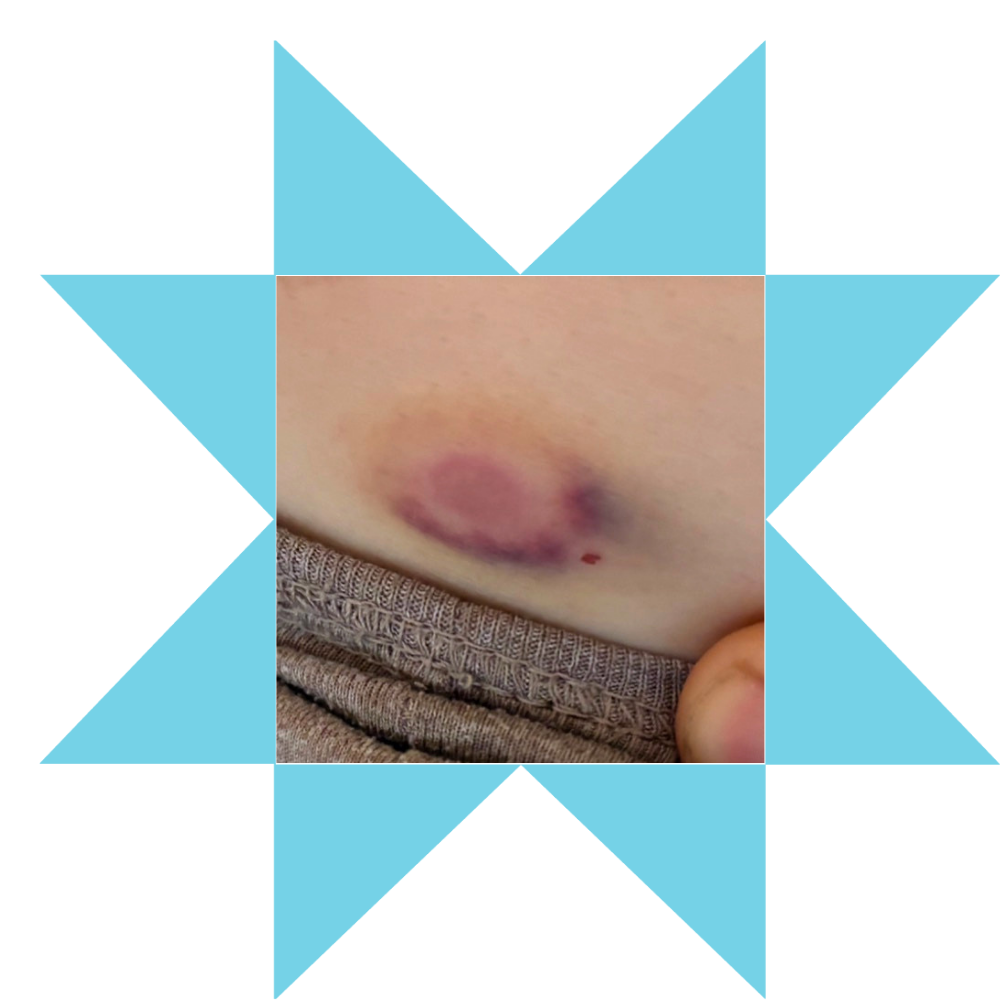
A rash - bullseye or otherwise - can occur - but doesn’t in 30-40% of Lyme positive bites. A bullseye rash is diagnostic for Lyme disease.
Watch for:
Fatigue or flu-like symptoms
Fever, chills, sore throat
Joint pain or swelling
Headaches or head pressure
Brain fog or memory changes
Mood shifts, anxiety, or panic
Dizziness or sensitivity to light/sound
Numbness or tingling
Muscle pain or weakness
Recurrent increase sickness with EBV, CMV, Mycoplasma, HHV6, Chlamydia Pneumonia, Parvovirus B19, Bartonella, Candida, Strep & more.
Need a second opinion after the bite? Our team supports healing from Lyme and Co-infections - learn more! Schedule a 15-minute Clarity Call here!
Understanding the Infection Timeline
Lyme Disease or the systemic infection that results from a Borrelia bacteria positive vector (Tick, bug, human…). Lyme Disease can be quickly onset with a classic Erythema migrans (bullseye) rash or appear in months to years after bacterial exposure with more subtle symptoms.
Lyme Disease Infection Symptoms to consider:
Early (1–4 weeks)
Flu-like symptoms, fatigue, rash, joint discomfort
Early Disseminated (1–4 months)
Neurological symptoms, heart palpitations, cognitive changes
Late or Persistent (months–years)
Chronic fatigue, mood changes, nerve symptoms, arthritis
A Quick Reassurance
Not every bite leads to illness. And even when symptoms develop, early, thoughtful support makes a difference.
The goal is not panic - it’s awareness + action when needed.
When to Seek Support
You may want additional support if:
Symptoms appear after a bite
Symptoms linger or change over time
You’re unsure how to interpret what you’re seeing
You want a second opinion before or alongside care

From a place of experiencing Lyme and various co-infections, we take an immune-modulation, body-building approach.
How We Support Tick Bites, Lyme & Co-Infections
At Hey Hey Mae, we work with individuals and families navigating:Tick bites and early interventionEducation on making early-bite care decisionsLyme disease and co-infectionsChronic or recurring symptoms after exposure
Our approach focuses on:Immune system balanceWhole-body recoveryIdentifying underlying contributorsSupporting the body’s ability to heal and stay well
Many of our clients come to us after a tick bite that seemed “resolved” - but their body never fully returned to baseline. We help them get there.
Want a Second Opinion or More Direction?
Book a Foundational Health Assessment
A deeper look at your symptoms, risk, and next steps — without committing to long-term care.
Need Support Right Now?
Book a Tick Bite SOS Call
Get guidance on what to do next, what to watch for, and how to support your body immediately.
Want to prepare more?…
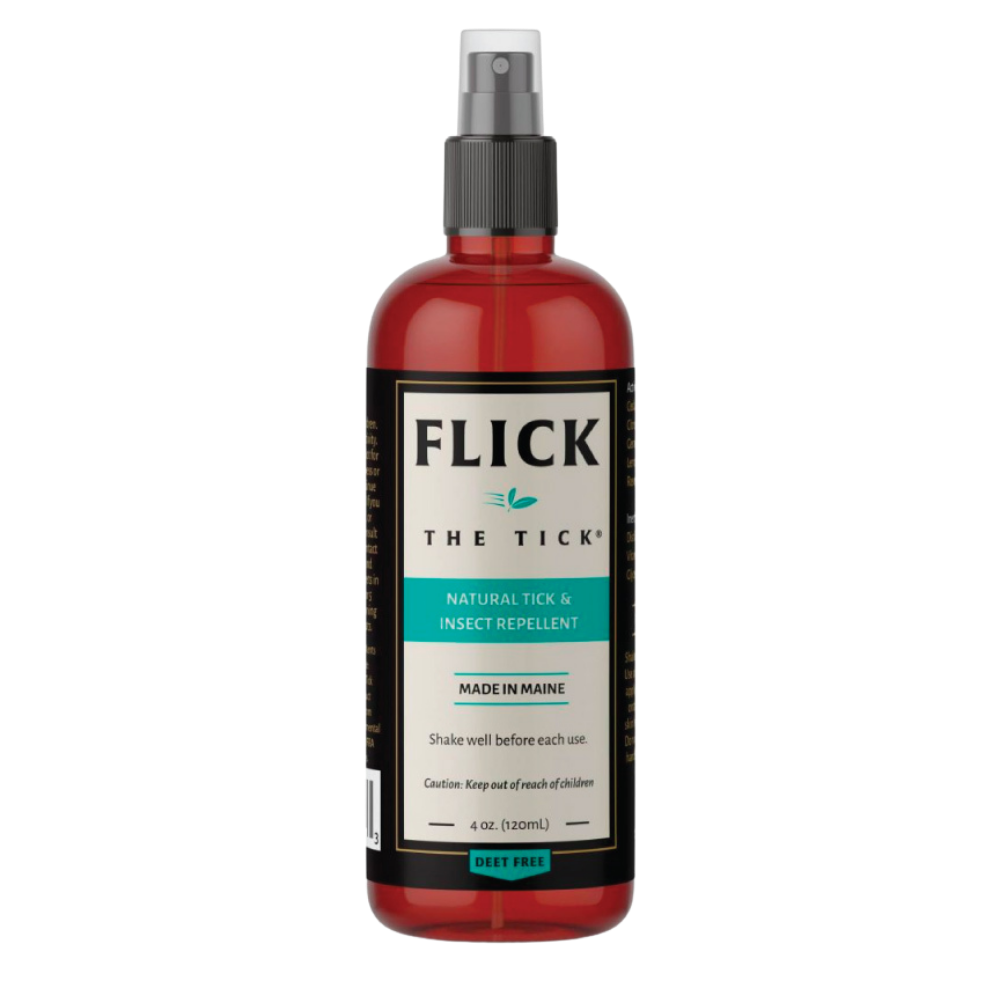
Favorite Natural Repellant
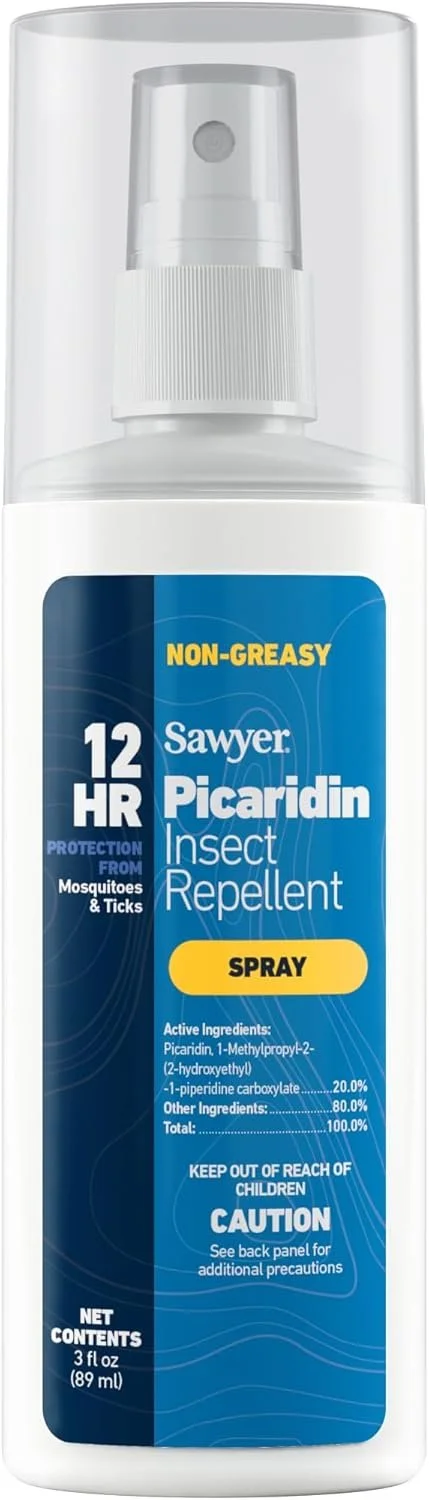
Picaridin Spray for People
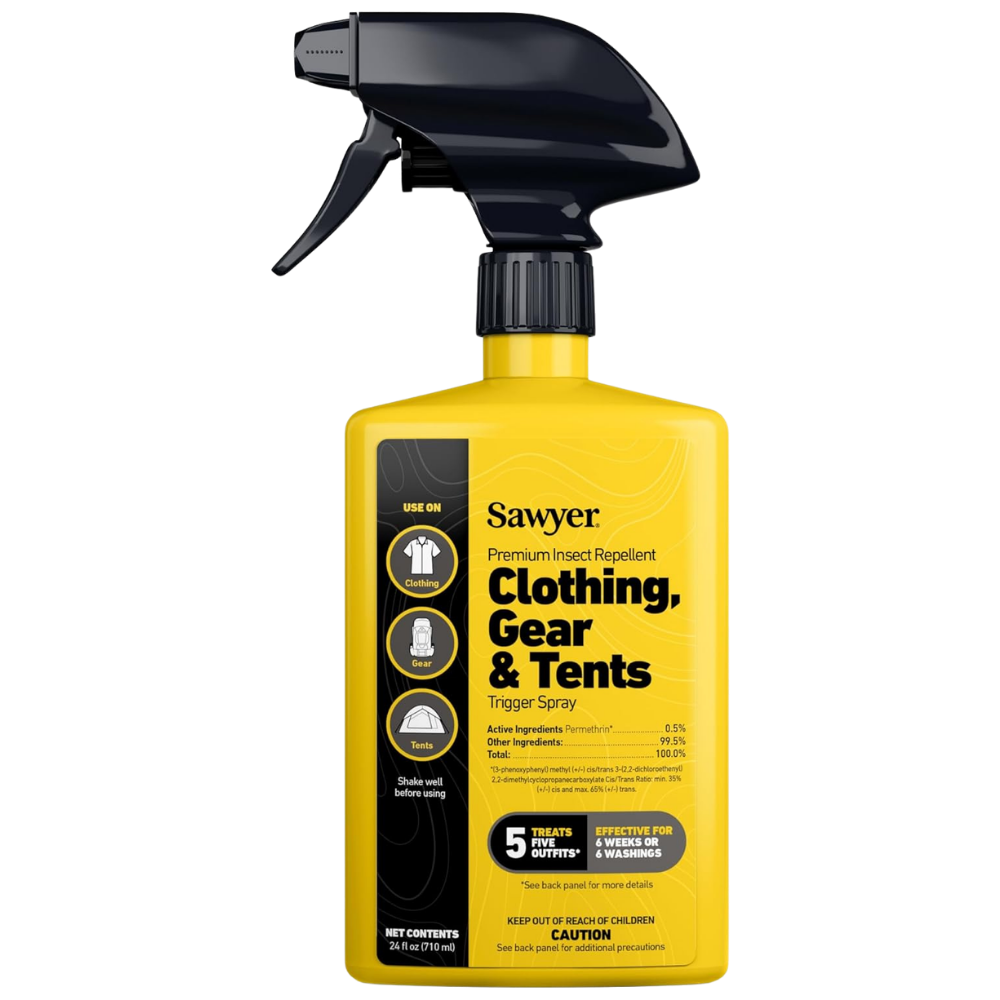
Permethrin for Gear & Clothing