
Tiny Taste Buds, Big Opinions: Let’s Chat Picky Eating
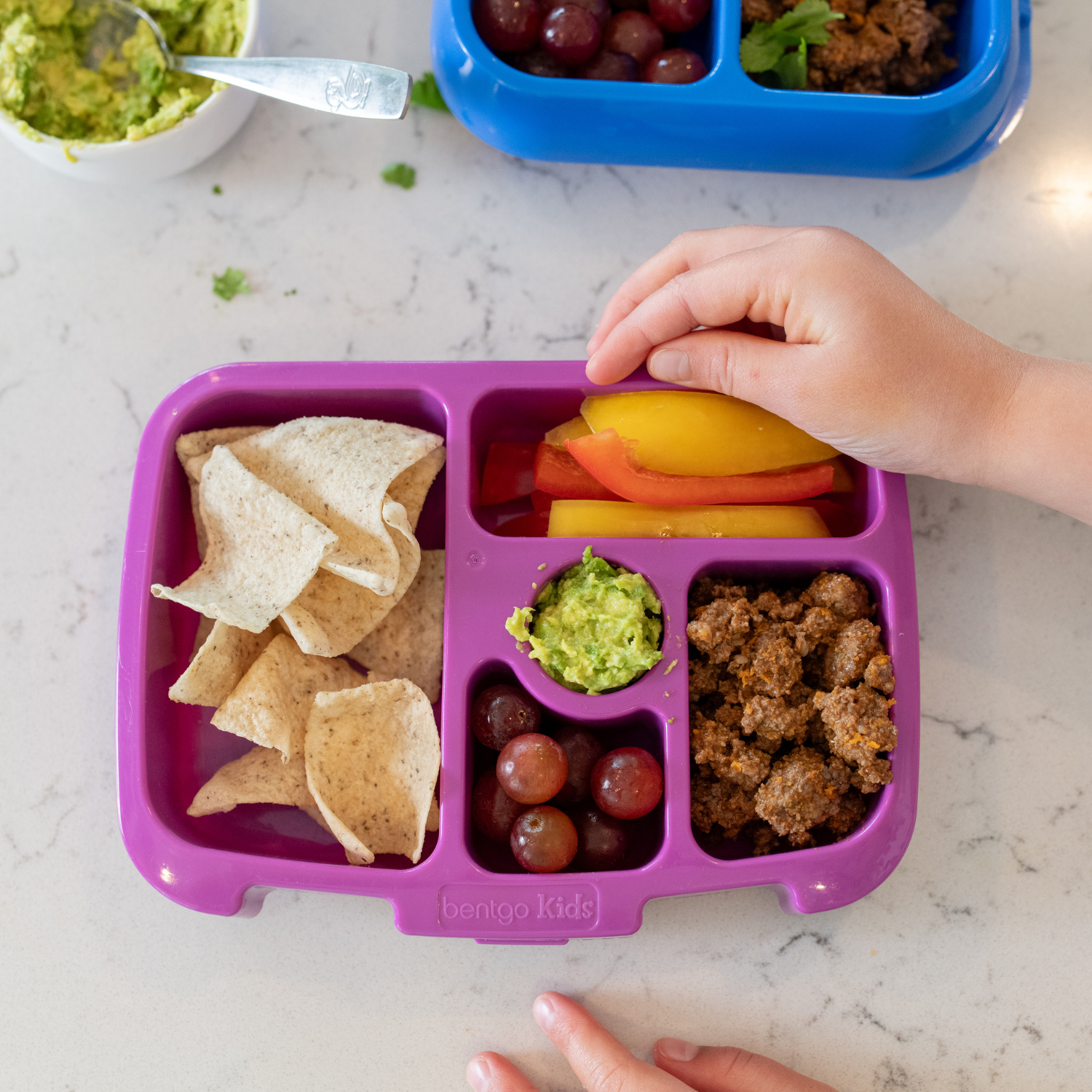
If mealtimes feel like a daily struggle, you’re not alone - many parents face the challenge of picky eating, and while it can be frustrating and even worrying, there are real, understandable reasons behind why children become selective with food.
In one study from children with Autism, 70% had atypical eating patterns, compared with only 4.8% of neurotypical children. In that study, 92% of children with autism preferred grain products and/or chicken… the chicken nugget. With Autism raising to 1 in 8 births and many immune disorders like PANS/PANDAS and repeat infections mimicking Autism and neurodiversity - picky eating is something we’re supporting with near every kid client and it’s essential to both health development and growth as well as health recovery.
Why does picky eating need to be remedied?
Picky eating is two-part - a physiological issue and a parenting issue and gosh, that second one doesn't feel good. The core problem with picky eating is the limited food choice → limited nutrient diversity → decreased nutrients consumed. Children do develop legitimate nutrient deficiencies, more often than you’d think! In one study of 66 children with autism and picky eating 70% were deficient in Vitamin C, followed by lack of Vitamin A, Thiamine or B1, B12 and Vitamin D. Do you see what I see? Several core nutrients for immune and brain, neurological health - SO important for all children, even more so for our children struggling with poor health.
The picky eating consequences are real, too - Vitamin A lack leads to vision loss. Vitamin D leads to leg cramps, pain and rickets. These issues come of mind when we work with children with ADHD, on medication, as well. Not to vilify medication - but to draw attention to the documented lack of appetite, a known side effect - kiddos on stimulant medications drop their appetite. The most interesting piece about the study was nearly all children were at a normal weight - a thin child isn’t a cure for nutrient deficiency - deficiency can happen in all ages and growth stages.
Another study showed those with picky eating habits struggled more with cognitive function and repetitive, stemming type behaviors. At its worst, we see nutrient lack push children into PICA, a condition where non-food items are craved and eaten.
We'll discuss some reasons why some kids are picky eaters and some aren't. If you've got a picky eater - there's lots of hope! And lots of benefit to doing the work to address those underlying factors so they can get back to nourishment and development!
..and so Mom and Dad can have peaceful mealtimes, again!

Causes of Picky Eating
Why are some kids picky eaters and others aren't?
Protein and H.Pylori - H Pylori is a bacteria that populates in the upper GI or stomach. Part of its function and the way it is able to thrive is lowered stomach acid production. When stomach acid is low, H Pylori can overgrown more. The severe decrease in stomach acid lowers the body's ability to properly digest protein, protein putrefies in the digestive tract and the picky eater becomes more and more averse to protein in their diet.
Sugar and Candida - Candida is a fungus we all have in our digestive tracts. When it becomes overgrown, the body craves more of Candida’s favorite food: sugar. Those with Candida overgrowth can even experience auto-brewery syndrome where Candida's waste creates an internal intoxication which harms the brain - symptoms of extreme laughter, balance issues - just like when a person is intoxicated from alcohol. Once Candida is resolved (and it’s connected contributors), the diet expands from extreme sugar and carb preferences.
Low microbiome diversity influences food choice as these are the gut microbes that digest your food. Gut bacteria can dictate our food desires because microbes have food preferences, too. Conversely, a lack of healthy microbes can mean impaired digestion, as the microbes simply aren’t there in sufficient quantities to digest food adequately. As you’ve likely heard in care, think about a blender full of chunked up foods. Now sit it on the sidewalk in 98 degree weather (your body temp) with the top on. The top will eventually pop off as that food ferments, just like when it's in the body and isn’t digested. Without adequate microbes - this blender scene is a lot like what happens in the belly of a person with low gut bacteria. This poor digestion leads to putrefaction of the food in the gut, gas, toxicity, rancidity in a belly - decreases appetite and some of our kids are living this reality, daily.
Piggybacking on low gut microbe diversity, constipation is a root of picky eating, too. When the bowels are constantly full of rotting food (sorry, it’s true), not only does this feel icky, but sinus issues are increased, the waste lets off its own toxins from decomposing and these circulate in the body, leaving a general icky feeling behind. Without healthy stooling, the B Vitamins, K2 and other nutrients that are created in a natural colon ferment aren’t readily available. This nutrient gap creates a cascade of detox limits and general lack of feel-good nutrients available in the body. Constipation makes us feel cruddy on many levels which impacts appetite in many ways.
Gluten, Casein (dairy protein) and soy, when maldigested, form opioid structures (gluteomorphin, caseomorphin etc) that can then bind to opioid receptors in the brain, causing inflammation, reduced pain sensitivity (self harm, self-destructive behaviors etc) and addictive eating behaviors. Yes, gluten, dairy and soy can be addictive, just as Oxycodone and Fentanyl.
Food sensitivities and intolerances create a negative feedback loop of cravings. As sensitivities create inflammation (hi, immune system), some bodies unknowingly crave that cycle that comes after a food sensitivity is eating - especially those who struggle with systemic and brain inflammation.
Traumas and medical issues can cause picky eating, too. Our clients who struggle with EOE at the start of care tend to have preferences, as well as those experiencing the throat closing or swallowing issues of Lyme disease. When you can't swallow or confidently eat due to throat inflammation, picky eating follows - because you’re adapting, not because you're picky. We’ve seen children and adults develop extreme picky eating after a choking or breathing difficulty, too.
Food sensitivities and intolerances bring negative experiences, and those prone to sensory sensitivity, may be unwilling to eat a food again, once it causes digestive distress or stomach pains. This an be especially problematic when a child loops a protein in with a sensitivity response - I.e. lasagna made them feel unwell, so they now refuse beef. However, the high histamine tomatoes and the rich ricotta was the actual root of the reaction - we’ve now lost 3 foods - dairy, beef and tomatoes, behaviorally.
Sugar and carbohydrate rich foods create cravings. Why? Sugar alters dopamine signaling and carbohydrates increase serotonin - who doesn’t want to feel happier? Carbs literally support serotonin production. This neurotransmitter imbalance is a key piece of our use of amino acid therapies in care - reaching balance reduces cravings, too!
Food additives and dyes like MSG, Color ## and processed chemicals were designed to create addiction. Companies dump tons of money into making their foods visually appealing and chemically addicting so you’re compelled to stay hooked and purchasing their processed food over fruits and vegetables the body was designed to digest. MSG alone is a leader in ADHD, ASD, and seizure behavior because of the way it stimulates the brain, creating that addictive loop.
Mineral deficiencies in nutrients like iron and zinc can lead to move picky eating, like PICA. With zinc deficiency, taste, smell and appetite can be impacted because the sensory component of eating depends on healthy zinc. Low zinc can also create a desire for excess salt because of the way taste is impacted, which can then create a low desire to eat meat. Iron deficiency impacts overall appetite as it impairs Ghrelin production, your hunger hormone - once iron levels are adequate again, hunger returns.
Digestion issues with various groups of food chemicals can impact picky eating. Some struggle with salicylates, others with glutamate or histamines - and their bodies inherently aren’t interested in the foods that make them feel poor or overstimulated. Lucky for us, issues with food chemicals have patterns we can observe to understand which special diet can be a healing tool to support feeling well and increasing appetite while we work to correct and resolve the roots to the health challenges.
Sensory issues impact picky eating, too. Many parents are familiar with a kid who doesn't like slimy or sticky, wet foods or items touching. Kids who prefer crunchy, brown or crisp will further develop atypical eating behaviors as they seek foods that only match their sensory preferences. For a season, we want to alter their diet to match their preferences - turning root veggies into crispy roasted ones instead of a squishy mash, for example - until the root causes of the picky eating have been restored and their appetites increase.
When navigating and supporting a picky eater, think of your own preferences to get into compassion and out of food fatigue.
Surely you have feelings about Greek yogurt or plain yogurt? The texture and tastes are different and it’s normal to like one over the other. Maybe you prefer the more viscous cappuccino over black coffee - your picky eater is experiencing the same, just with more intensity and physiological contributors.
We help kids and adults health from picky eating regularly by examining and addressing any portions of health must be looked at and supported to restore normal appetite and nourishment, growth and development. Want to kick picky eating to the curb, resolve the root and have a happy, healthy eater again? Let's chat clear next steps on a clarity call!

Picky eating has many roots and contributors, many of them that need addressed and supported by a practitioner. While that’s happening, let’s cover the practicals of steps parents can take to work more veggies and fruits in the diet.
But first, you are the parent. Are you eye rolling at me? I’m serious - you are the leader, the attitude guider and the one who can make this a delightful success, so you’ll want to take a bit trying on that vibe and getting comfy with positivity plumping up every one of your cells!
Choose your plan change:
Slowly remove offending items from the home in a set time period (6 weeks to ideal diet) - this allows you to eat through offending foods and introduce new foods, gentle part ways and find replacements for failure foods.
Food forward - crowd in lots of new foods as readily as possible, converting to new diet boundaries in 1-2 weeks.
Cold turkey, 100% - major home clean out, no matter what, stick to the diet and let everyone adjust.
Choose your diet:
Choose a diet: is it gluten free dairy free soy free? Or is it low histamine, oxalate and sugar? Or something more specific like plant based keto?
Choose your diet search terms for easy searching. Let’s see what search terms your diet fits inside of so you can use search, Pinterest and maybe a side of ai to help you find recipes and develop menus. GF/DF/SF fits inside paleo, and also inside AIP or autoimmune protocol. A grain free diet will also fit, is you’re careful to check ingredients for soy. You probably will enjoy paleo recipes more then AIP, but sometimes it helps you find good matches for your food dishes.
Now you’ve got your food boundaries!
Let’s get to the practicals for how to get these new foods into your family!
Helpful Tips
1. Make a list or download ours of all the fruits and veggies and play some games.
Check off as many as you eat in a week. Include herbs and spices and total up at the end of the week.
The next week - try to get some fruit veg and herbs on the menu that you didn’t get this week!
Each kid picks something from the list and you grab it at the grocer. Then you taste test as a fam and play a rating game
2. Learn seasonality! Print a list for in-season produce by month and work each month to check your way through the list! Bonus points if you attend farmers markets or local u-picks as a family event. Getting everyone involved in where food comes from can increase interest in foods! Buying a food in bulk, when in season can save money and call for family creativity.
For example: We’ll grab beets this spring from our favorite farmer and roasts them for dinner, used a few to dye Easter eggs alongside the store bought dyes and pickle some to can and pickle some with hard boiled eggs for a spring treat. We do the same with apples in the fall: dehydrated, applesauce, stewed apples with dinner, apples and nut butter for snack and spiraled apples for a treat.
3. Introduce by texture! This one takes a little work, but thinking backwards on what your child loves is a wonderful way to love them well and increase their eating interest. Choose their texture preferences and make a list of foods (use google! “Baked vegetable chips” or “vegetable smoothie” or “air fried vegetables”).
Here are some textures to get you thinking.
4. Grow a family garden - getting kids involved in the process opens up new wonder and connection to their food. It also makes veggies more normal and a part of everyday life. Snacks outside? I think I’ll eat these tomorrows between shooting hoops.
5. Try and try again! Choose a single food to introduce and make it 3 ways in one week. Making it familiar makes it more likely to be accepted. Presenting a food often makes it more likely to be accepted. And it takes many tries - some studies say as many as 9 food introductions before a child can really be open to or accept a new taste.
6. Try similars. If your child likes carrot sticks, cut butternut squash in the same shape and serve them together. Or they love potato fries - try rutabaga fries.
7. Put what works into regular rotation. If you had success with a dish - serve it next week! Create new familiar favorites that bring stability and comfort to your picky eaters and you can increase trust at mealtimes! You can also point to how they used to not think they loved carrots, but gosh, those roasted cumin carrots on taco Tuesday sure are a crowd favorite you all loved.
Top Veggie Eating Ideas
Finishing our picky eating series with our favorite ways to add more veggies into your diet that you and your kiddos are sure to love. A special recipe at the end!
Zucchini boats as pizza or tacos (hollowed out, ground beef, sauce, cheese etc)
Sauteed Green beans with crispy shallots (air fryer or skillet)
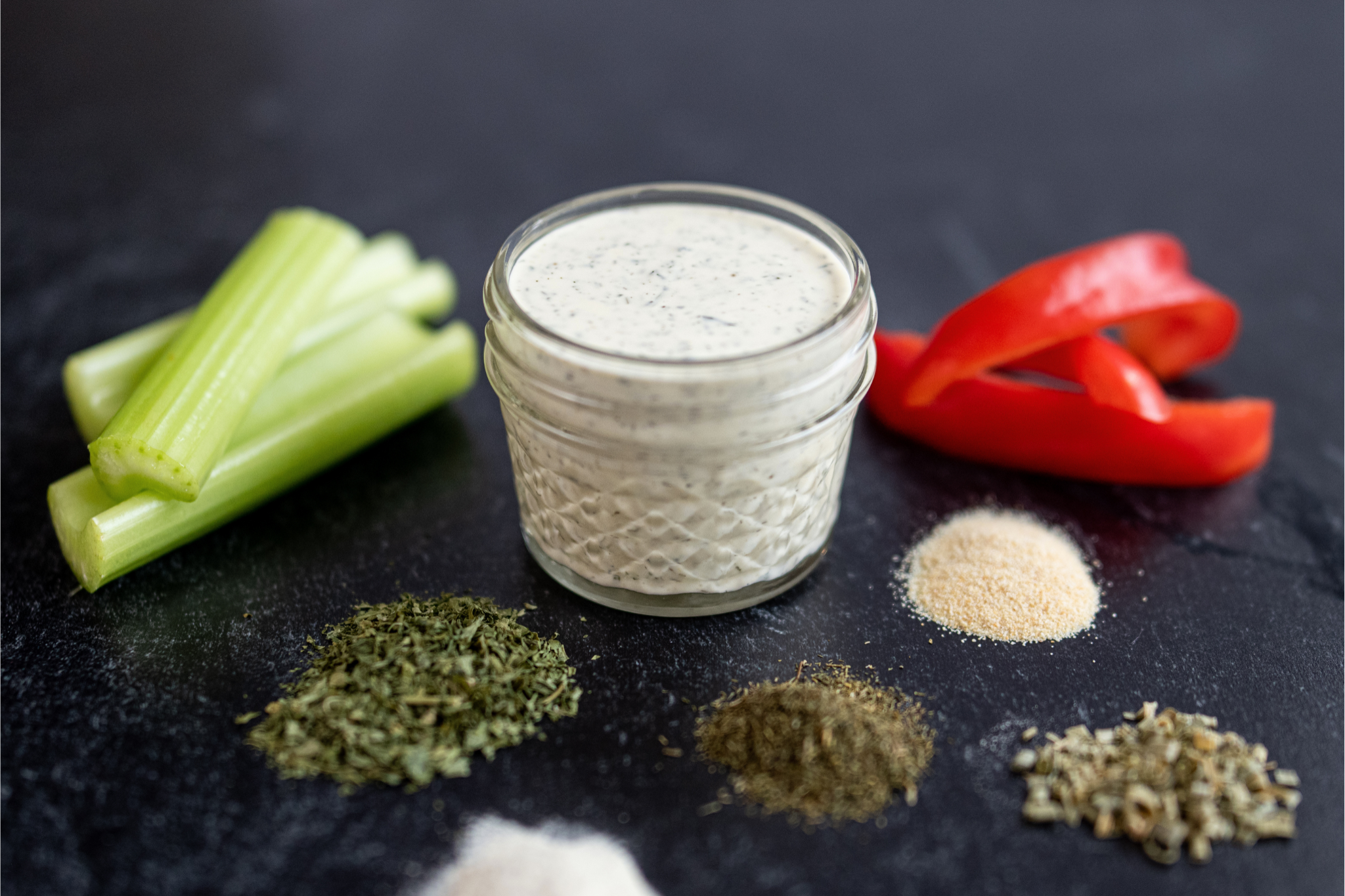
Try out my Dairy Free Ranch which is perfect for dipping spring time veggies into!
Ingredients
½ cup mayonnaise
⅓ cup coconut milk
1 teaspoon parsley
½ teaspoon dill
½ teaspoon garlic powder
½ teaspoon onion powder
½ teaspoon chives
¼ teaspoon salt
¼ teaspoon black pepper
Instructions
Combine all ingredients in a mason jar and immersion blend until smooth.
Hot Tip! Combining just the dry ingredients make for a fabulous rub. I'll typically add more salt to season the meat and 3-4x the other ingredients